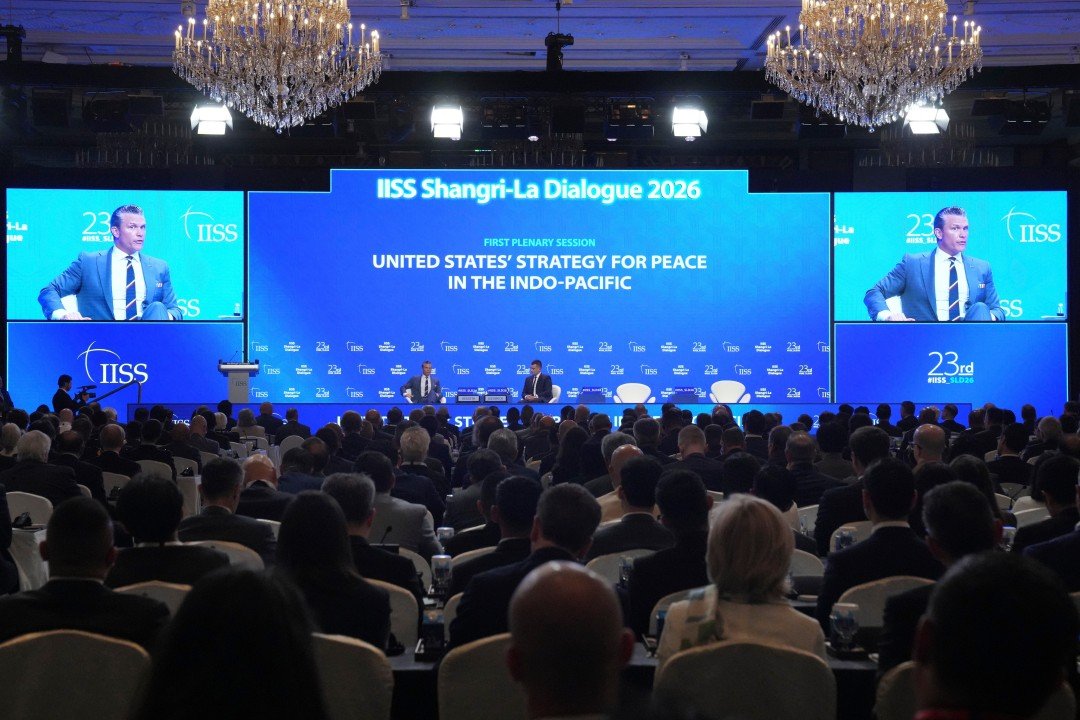
Hegseth outlines conditions for increased US defense support in Asia
AFBytes Brief
U.S. defense messaging at the regional forum emphasizes that Asian nations seeking stronger American backing must demonstrate greater self-reliance in security spending. The statement balances reassurance with demands for increased partner contributions.
Why this matters
Defense commitments in Asia influence U.S. military spending and taxpayer exposure while shaping trade routes critical to consumer goods prices. Clearer expectations for allied contributions affect long-term foreign policy costs borne by American households.
Quick take
- Money Angle
- Higher allied defense spending could reduce future U.S. supplemental budget requests tied to Indo-Pacific contingencies.
- Market Impact
- Defense contractors with exposure to Asia-Pacific programs may see steadier contract pipelines if partner nations increase procurement.
- Who Benefits
- U.S. defense contractors and domestic manufacturing suppliers gain from sustained or rising allied equipment purchases.
- Who Loses
- Asian governments reluctant to raise defense budgets face reduced priority access to U.S. security assistance.
- What to Watch Next
- Monitor upcoming congressional defense authorization bill markups for language tying aid levels to allied spending metrics.
Perspectives on this story
AI-generated analytical lenses meant to encourage you to think across multiple frames. Not attributed to any individual; not presented as fact.
Household Impact
How this affects family budgets, jobs, and day-to-day life.
Sustained U.S. military presence in Asia supports stable shipping lanes that help keep imported consumer goods prices predictable.
America First View
How this lands for readers prioritizing American sovereignty, borders, and domestic industry.
The message reinforces expectations that allies contribute more to collective defense, preserving U.S. resources for domestic priorities.
Institutional View
How established institutions -- agencies, courts, allied governments -- are likely to frame it.
Defense and State Department officials frame the remarks as consistent with existing statutes requiring measurable allied burden sharing.
Civil Liberties View
How this reads through the lens of constitutional rights, free speech, and due process.
No direct civil-liberties principle is implicated by discussions of alliance contribution levels.
National Security View
How this matters for defense posture, intelligence, and adversary deterrence.
Clearer ally commitments strengthen deterrence posture and reduce risk of adversary miscalculation in the Indo-Pacific.
Adversary View
How foreign rivals are likely to frame this story. Not presented as fact and does not reflect the views of AFBytes.
China is likely to portray the U.S. stance as coercive pressure that undermines regional autonomy and forces unnecessary military spending.
AFBytes analysis is AI-assisted and generated from source metadata, article summaries, and topic context. It is intended to help readers think through implications, not replace the original reporting from newser.com. See our AI and Summary Disclosure for details.