US to Reduce Jets Warships and Drones for NATO Spiegel Reports
AFBytes Brief
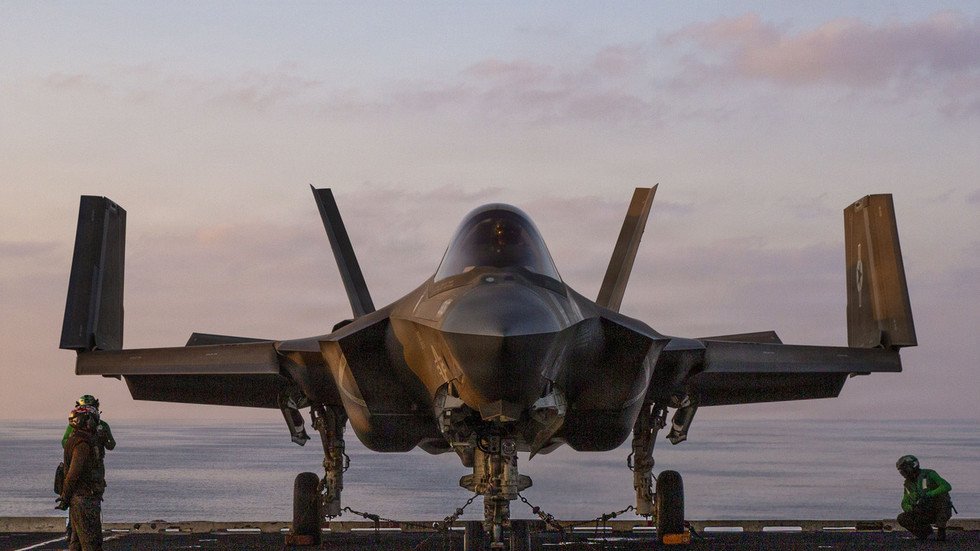
The United States intends to reduce available jets warships and drones for NATO missions. The change follows ongoing Pentagon reductions in Europe. Der Spiegel reported the planned adjustments.
Why this matters
Changes in US NATO commitments affect alliance burden sharing and long term defense spending levels funded by taxpayers.
Quick take
- Money Angle
- Reduced overseas deployments can lower operational costs for the Defense Department while shifting some expenses to European allies.
- Market Impact
- Defense contractors with significant NATO support contracts may see slower order growth.
- Who Benefits
- European NATO members gain increased leverage to expand their own defense industries.
- Who Loses
- US based firms reliant on sustained European theater deployments face reduced contract opportunities.
- What to Watch Next
- Upcoming Pentagon budget submission will detail force posture changes and funding reallocations.
Perspectives on this story
AI-generated analytical lenses meant to encourage you to think across multiple frames. Not attributed to any individual; not presented as fact.
Household Impact
How this affects family budgets, jobs, and day-to-day life.
Defense budget adjustments can influence tax allocations and veteran support programs.
America First View
How this lands for readers prioritizing American sovereignty, borders, and domestic industry.
Reduced forward deployments align with priorities to focus resources on domestic defense needs.
Institutional View
How established institutions -- agencies, courts, allied governments -- are likely to frame it.
Alliance commitments are managed through existing treaties and congressional authorization processes.
Civil Liberties View
How this reads through the lens of constitutional rights, free speech, and due process.
Military force posture decisions do not directly affect domestic constitutional protections.
National Security View
How this matters for defense posture, intelligence, and adversary deterrence.
Force reductions in Europe may require reassessment of deterrence posture against peer adversaries.
AFBytes analysis is AI-assisted and generated from source metadata, article summaries, and topic context. It is intended to help readers think through implications, not replace the original reporting from rt.com. See our AI and Summary Disclosure for details.