Trump DOE names private firms for plutonium program
AFBytes Brief
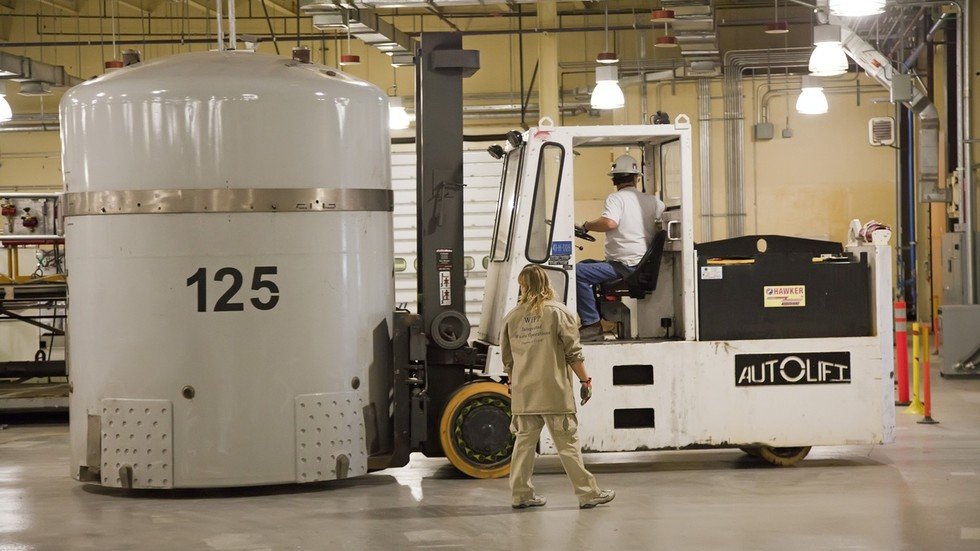
The Department of Energy has advanced a program to transfer surplus weapons-grade plutonium to private entities. Five candidate companies were identified for the utilization initiative.
Why this matters
The decision affects U.S. nuclear material handling and long-term waste management costs borne by taxpayers. It also touches domestic industrial policy on strategic materials.
Quick take
- Money Angle
- Federal nuclear assets are moving toward private-sector management, shifting potential revenue streams and liability exposure away from government budgets.
- Market Impact
- No immediate public equity impact is expected, though contractors in nuclear services could see future contract opportunities.
- Who Benefits
- Selected private nuclear firms gain access to government-supplied material and associated contracts.
- Who Loses
- Public oversight bodies lose direct control over a portion of the strategic stockpile.
- What to Watch Next
- Watch for the Department of Energy announcement naming the final selected companies and any required congressional notifications.
Perspectives on this story
AI-generated analytical lenses meant to encourage you to think across multiple frames. Not attributed to any individual; not presented as fact.
Household Impact
How this affects family budgets, jobs, and day-to-day life.
Taxpayers may see indirect effects through changes in federal nuclear cleanup and storage expenditures.
America First View
How this lands for readers prioritizing American sovereignty, borders, and domestic industry.
The move supports domestic private industry handling of strategic materials rather than continued sole government custody.
Institutional View
How established institutions -- agencies, courts, allied governments -- are likely to frame it.
Federal agencies would emphasize statutory authority under existing atomic energy laws to manage surplus inventories.
Civil Liberties View
How this reads through the lens of constitutional rights, free speech, and due process.
No direct constitutional privacy or due-process issues are raised by the material transfer program.
National Security View
How this matters for defense posture, intelligence, and adversary deterrence.
Transferring weapons-grade material to private hands raises questions about physical security and nonproliferation controls.
AFBytes analysis is AI-assisted and generated from source metadata, article summaries, and topic context. It is intended to help readers think through implications, not replace the original reporting from rt.com. See our AI and Summary Disclosure for details.
Discussion on
Trending posts from X.
On possible reasons why private investment has declined, Fmr CEA: Tilting the regulatory playing field in favour of a few, large corporate houses at theexpense of other in-vestors, domestic and foreign; favouring BJP states over opposition run ones in allocating resources and… https://t.co/3NZoYq5Ti4
— Yusuf Unjhawala 🇮🇳 (@YusufDFI) May 27, 2026