Intel Contradicts Trump Iran Missile Claims
AFBytes Brief
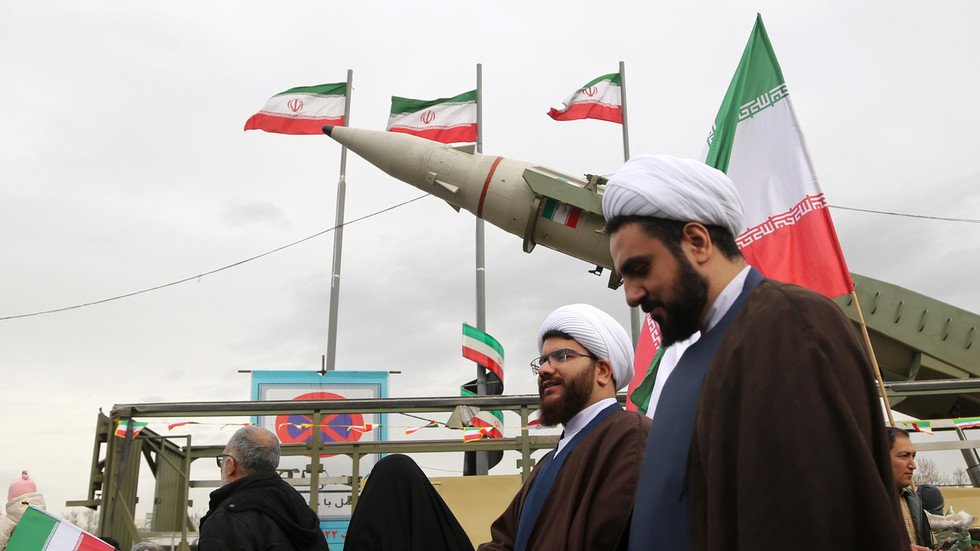
U.S. intelligence assessments contradict President Trump's statements on Iran's missile capabilities. Reports indicate Iran retains access to most sites near the Strait of Hormuz. This discrepancy fuels debate on regional threats.
Why this matters
Iran's missile presence threatens oil shipping through the Strait of Hormuz, which drives up U.S. energy bills via global prices. Americans reliant on affordable fuel face higher costs if tensions escalate. Foreign policy misalignments risk drawing U.S. resources into Middle East conflicts.
Quick take
- Money Angle
- Disputed intelligence on missile sites heightens risks to oil flows, potentially inflating energy prices and fiscal exposure for U.S. consumers.
- Market Impact
- Oil futures likely rise on perceived Iran threats, pressuring energy sectors and inflation gauges.
- Who Benefits
- U.S. intelligence agencies gain credibility if reports prove accurate over political claims.
- Who Loses
- Iran faces isolation if access claims validate strike justifications.
- What to Watch Next
- Monitor upcoming intelligence briefings to Congress for updates on Hormuz site statuses, revealing threat evolution.
Three takes on this
AI-generated framings meant to encourage you to think. Not attributed to any individual; not presented as fact.
Everyday American
Will this make day-to-day life better or worse for my family?
Drivers and homeowners see higher gas prices looming from Iran threats, worsening household energy costs. They react with concern over involvement in distant wars. The core issue is protection from imported inflation.
MAGA Republicans
What this likely confirms or alarms in their worldview.
They emphasize Trump's accurate instincts against deep-state intel contradicting on Iran dangers. This affirms skepticism of biased reports undermining strong leadership. It aligns with prioritizing America First over foreign entanglements.
Democrats
What this likely confirms or alarms in their worldview.
They highlight intelligence professionalism exposing overstatements on threats, advocating restraint. Reasoning stresses evidence-based policy avoiding rash actions. This supports values of diplomatic caution and alliance coordination.