German chancellor advises youth against U.S. education or work
AFBytes Brief
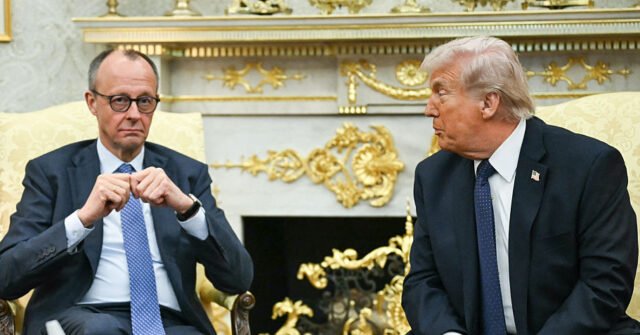
German Chancellor Friedrich Merz advised young citizens against pursuing education or employment in the United States. The comments continue a pattern of critical remarks directed at U.S. policy under President Trump. They frame American opportunities as less attractive amid ongoing diplomatic tensions.
Why this matters
The warning may influence cross-border education and job mobility for young professionals considering international options. It touches foreign policy dynamics that affect trade and academic exchanges between the U.S. and Europe. American institutions and employers could see shifts in applicant pools from Germany.
Quick take
- Money Angle
- Reduced student and worker flows could limit revenue for U.S. universities and companies that rely on international talent.
- Market Impact
- Limited direct market impact is anticipated beyond possible minor effects on education sector enrollment trends.
- Who Benefits
- German domestic education and employment sectors gain if fewer young people leave for U.S. opportunities.
- Who Loses
- U.S. universities and tech firms may lose access to a pool of qualified German applicants.
- What to Watch Next
- Monitor German government statements on bilateral education agreements for signs of policy shifts.
Three takes on this
AI-generated framings meant to encourage you to think. Not attributed to any individual; not presented as fact.
Everyday American
Will this make day-to-day life better or worse for my family?
The remarks have little immediate effect on daily costs or jobs for most American families. They may indirectly influence perceptions of U.S. competitiveness in global talent markets.
MAGA Republicans
What this likely confirms or alarms in their worldview.
The comments are viewed as another example of European criticism of U.S. leadership and a sign of strained alliances under the current administration.
Democrats
What this likely confirms or alarms in their worldview.
The warning is interpreted as evidence that U.S. policies are damaging America's international reputation and appeal to global talent.