nuclear power plant security threats worldwide
AFBytes Brief
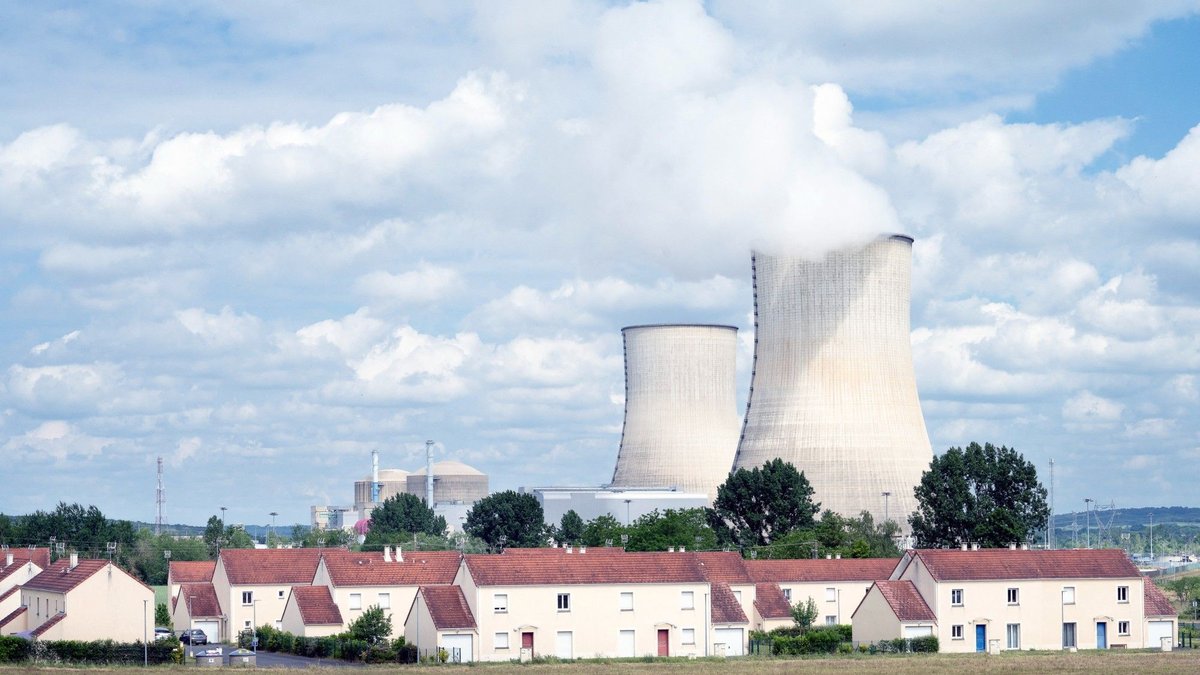
Nuclear power plants face heightened risks from direct military strikes that could disperse radioactive material. Such events would generate mass fear and require extensive international response coordination. The issue spans multiple conflict zones where energy infrastructure has become a target.
Why this matters
Attacks on nuclear facilities could raise energy costs for American households through disrupted global supply chains and higher insurance premiums for utilities. Radioactive releases would also trigger costly emergency preparedness spending at the federal and state level.
Quick take
- Money Angle
- Potential damage to nuclear sites would shift capital toward alternative energy projects and raise operating costs for utilities that rely on nuclear generation.
- Market Impact
- Energy futures and utility stocks would likely see increased volatility with upward pressure on prices for non-nuclear power sources.
- Who Benefits
- Natural gas producers and renewable energy developers gain as utilities seek to diversify away from vulnerable nuclear assets.
- Who Loses
- Nuclear plant operators face higher security expenses and possible forced shutdowns that reduce revenue.
- What to Watch Next
- Watch for IAEA inspection reports or national energy agency updates on facility hardening measures to gauge escalation risks.
Perspectives on this story
AI-generated analytical lenses meant to encourage you to think across multiple frames. Not attributed to any individual; not presented as fact.
Household Impact
How this affects family budgets, jobs, and day-to-day life.
Higher electricity rates and potential supply disruptions would directly affect monthly utility bills for families.
America First View
How this lands for readers prioritizing American sovereignty, borders, and domestic industry.
Protecting domestic energy infrastructure supports U.S. self-reliance and reduces dependence on foreign fuel imports during crises.
Institutional View
How established institutions -- agencies, courts, allied governments -- are likely to frame it.
International atomic energy regulators would emphasize treaty obligations and inspection protocols to maintain safety standards.
Civil Liberties View
How this reads through the lens of constitutional rights, free speech, and due process.
Evacuation orders and security measures around plants could temporarily limit movement and access in surrounding communities.
National Security View
How this matters for defense posture, intelligence, and adversary deterrence.
Securing nuclear sites is essential to prevent adversaries from exploiting critical infrastructure for strategic advantage.
AFBytes analysis is AI-assisted and generated from source metadata, article summaries, and topic context. It is intended to help readers think through implications, not replace the original reporting from theweek.com. See our AI and Summary Disclosure for details.
Discussion on
Trending posts from X.
It’s a terrible idea
— 🅷🆃 🅱🆄🅻🅻🅸🅾🅽 Chief Disruptor🥩🩸🪙⚛️🇺🇸✈️ (@HTBullionSpeaks) May 21, 2026
There are no gigawatt scale power plants in Antarctica. Fuel has to be imported to produce every kilowatt of electricity.
There is no infrastructure such as undersea data cables or large satellite relay arrays. (Antarctica is in the wrong place on the…