NATO Chief Proposes 0.25% GDP Aid for Ukraine
AFBytes Brief
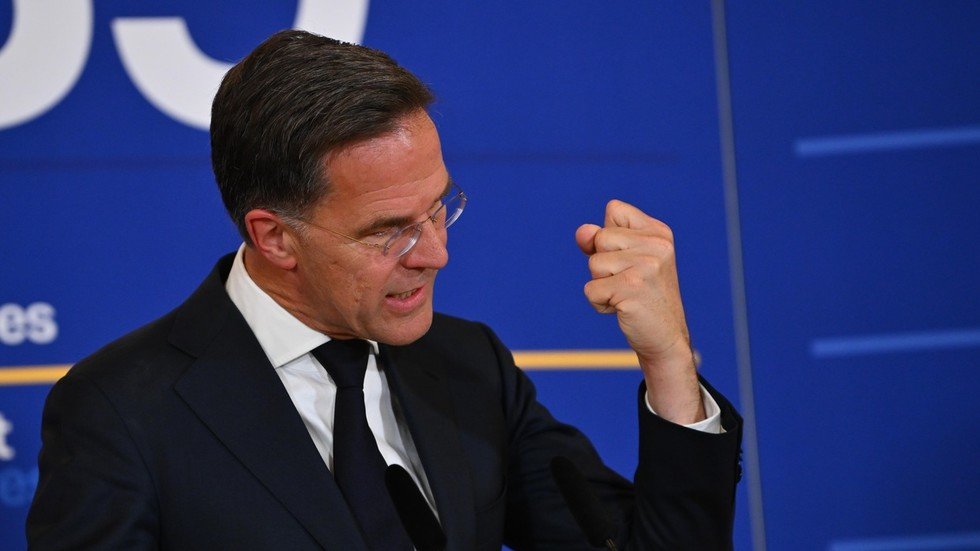
NATO Secretary General Mark Rutte proposed that alliance members commit 0.25% of their GDP annually to aid Ukraine. This measure would triple current funding levels for the conflict-torn nation. The suggestion comes amid reports of persistent corruption issues in Ukrainian aid distribution.
Why this matters
Americans face potential increases in federal spending commitments through NATO, diverting taxpayer dollars from domestic priorities like infrastructure and healthcare to foreign aid. This escalation ties U.S. fiscal policy directly to Europe's security guarantees, influencing long-term budget deficits and national debt levels.
Quick take
- Money Angle
- The proposal would require NATO members, including the U.S., to redirect substantial budget resources equivalent to 0.25% of GDP toward Ukraine, straining public finances amid competing domestic needs.
- Market Impact
- European defense contractors and U.S. arms manufacturers like Lockheed Martin could see stock gains from heightened aid flows and procurement contracts.
- Who Benefits
- Ukraine's government gains expanded funding for military and reconstruction efforts despite corruption risks, while NATO allies solidify collective defense postures.
- Who Loses
- U.S. taxpayers and budget hawks lose as federal outlays rise without clear reciprocity, potentially crowding out investments in American infrastructure.
- What to Watch Next
- Watch for NATO summit statements in the coming weeks to gauge member state buy-in on the GDP pledge and its implications for U.S. contributions.
Three takes on this
AI-generated framings meant to encourage you to think. Not attributed to any individual; not presented as fact.
Everyday American
Will this make day-to-day life better or worse for my family?
Working families worry this means higher taxes or reduced services at home to fund distant conflicts. Everyday costs like groceries and energy bills stay top concerns while foreign aid competes for federal dollars. The practical stake involves stretched household budgets amid rising national debt.
MAGA Republicans
What this likely confirms or alarms in their worldview.
They view this as endless foreign entanglements draining American resources from border security and domestic revival. Emphasis falls on corruption in Ukraine wasting U.S. funds that should prioritize America First policies. This fits their skepticism of globalist institutions like NATO pushing weak allies' burdens onto U.S. shoulders.
Democrats
What this likely confirms or alarms in their worldview.
They see it as essential investment in countering Russian aggression to prevent wider instability affecting global trade and energy. Support stems from values of democratic solidarity and preventing authoritarian expansion. The framing aligns with commitments to alliances that have historically secured U.S. interests abroad.