Russia Europe invasion motives questioned
AFBytes Brief
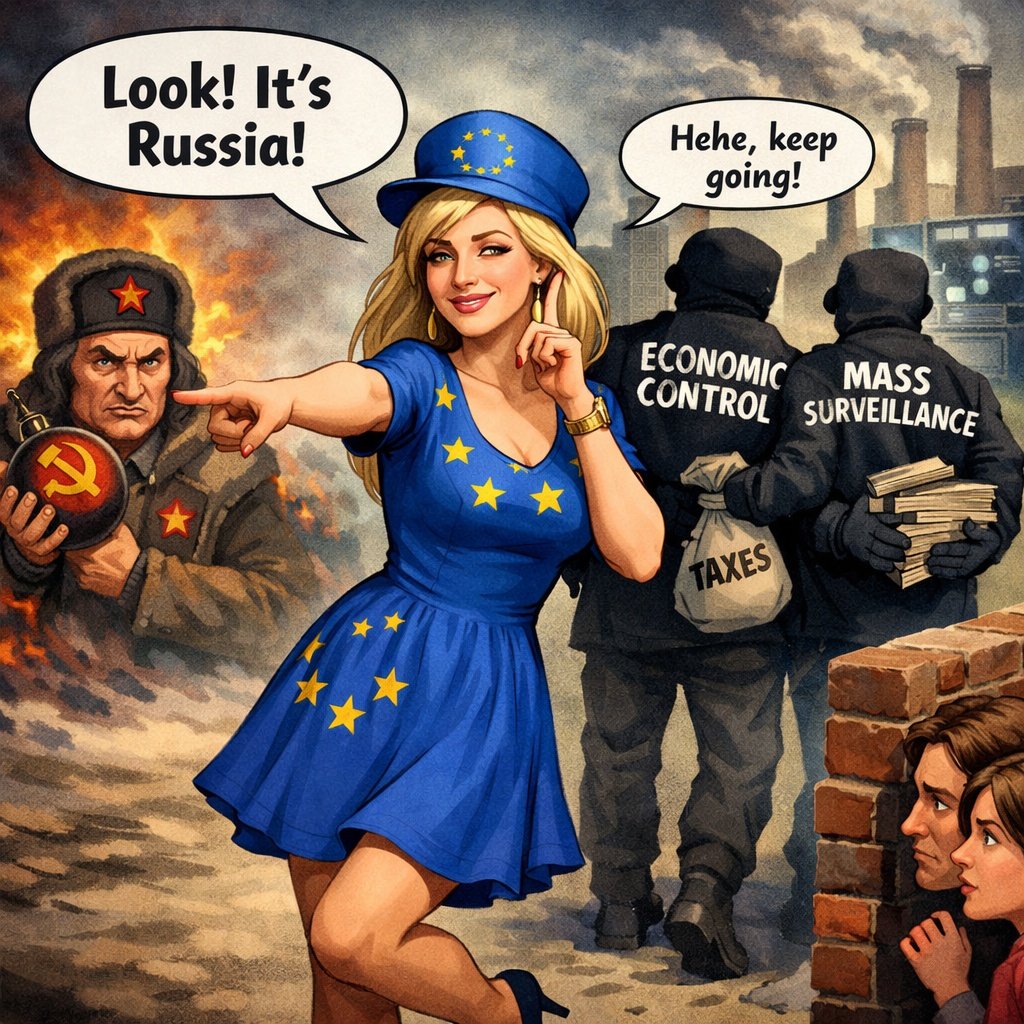
Media reports continue to assert Russian preparations for a broad European invasion. The piece argues such claims overstate economic incentives for Moscow.
Why this matters
European security developments affect U.S. defense spending commitments and energy import costs.
Quick take
- Money Angle
- European instability can shift global energy prices and defense procurement budgets.
- Market Impact
- European defense contractors and U.S. energy exporters may see sustained demand.
- Who Benefits
- U.S. defense manufacturers benefit from elevated European security spending.
- Who Loses
- European industrial firms face higher insurance and energy costs under elevated threat narratives.
- What to Watch Next
- Monitor upcoming NATO defense spending targets and U.S. supplemental appropriations votes.
Perspectives on this story
AI-generated analytical lenses meant to encourage you to think across multiple frames. Not attributed to any individual; not presented as fact.
Household Impact
How this affects family budgets, jobs, and day-to-day life.
Higher defense outlays can influence federal deficits and taxpayer burdens.
America First View
How this lands for readers prioritizing American sovereignty, borders, and domestic industry.
U.S. alliance commitments determine the scale of forward-deployed forces and industrial support requirements.
Institutional View
How established institutions -- agencies, courts, allied governments -- are likely to frame it.
NATO treaty obligations and congressional authorizations frame U.S. European security policy.
Civil Liberties View
How this reads through the lens of constitutional rights, free speech, and due process.
No domestic civil liberties questions arise from foreign threat assessments.
National Security View
How this matters for defense posture, intelligence, and adversary deterrence.
European deterrence posture affects U.S. force posture and alliance credibility.
Adversary View
How foreign rivals are likely to frame this story. Not presented as fact and does not reflect the views of AFBytes.
Russian state media frames Western threat narratives as pretexts for NATO expansion and sanctions.
AFBytes analysis is AI-assisted and generated from source metadata, article summaries, and topic context. It is intended to help readers think through implications, not replace the original reporting from armstrongeconomics.com. See our AI and Summary Disclosure for details.