SpaceX Starship Test Ends With Splashdown Explosion
AFBytes Brief
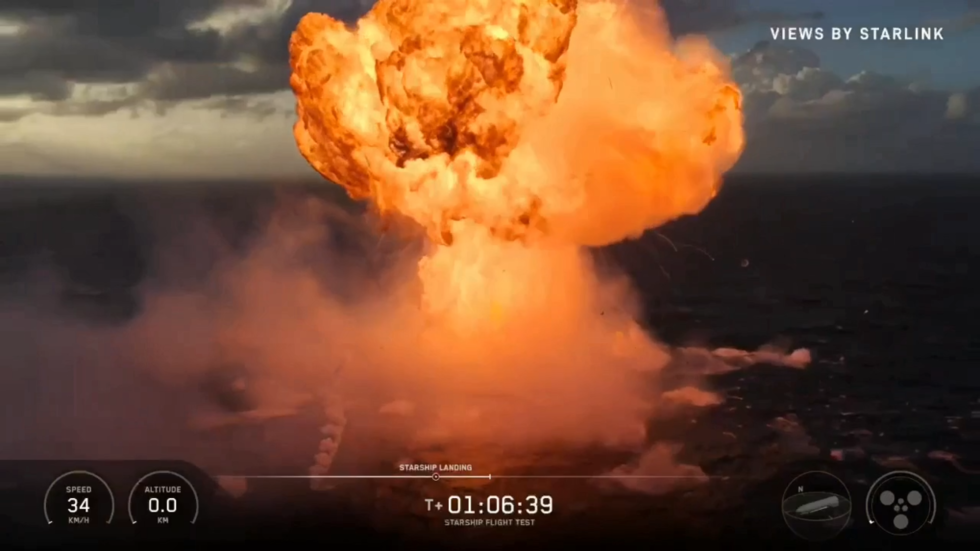
SpaceX conducted another test of its Starship rocket that concluded with an explosion upon splashdown in the Indian Ocean. The company characterized the outcome as expected and part of a successful test sequence. Such tests are aimed at refining the vehicle for future operational use.
Why this matters
The Starship test contributes to advancements in space transportation that could lower costs for satellite deployment and future crewed missions. This affects U.S. leadership in the commercial space industry and related job creation in aerospace sectors. Continued progress may influence long-term federal contracting for lunar and Mars programs.
Quick take
- Money Angle
- SpaceX's continued testing of Starship represents significant capital investment in reusable rocket technology aimed at reducing launch costs over time.
- Market Impact
- The space launch sector, including companies like SpaceX and competitors, may see increased investor interest in reusable launch systems following successful test milestones.
- Who Benefits
- SpaceX benefits from incremental progress toward operational Starship flights that could capture larger shares of the satellite and deep space market.
- Who Loses
- Legacy aerospace contractors may face increased competition as SpaceX advances its low-cost launch capabilities.
- What to Watch Next
- The next Starship test flight date announced by SpaceX will provide signals on development timeline and technical readiness.
Perspectives on this story
AI-generated analytical lenses meant to encourage you to think across multiple frames. Not attributed to any individual; not presented as fact.
Household Impact
How this affects family budgets, jobs, and day-to-day life.
Progress in space technology like Starship could eventually influence costs of satellite-based services such as internet and navigation that households rely on daily.
America First View
How this lands for readers prioritizing American sovereignty, borders, and domestic industry.
Successful development of Starship supports U.S. efforts to maintain dominance in space launch capabilities and reduce reliance on foreign providers.
Institutional View
How established institutions -- agencies, courts, allied governments -- are likely to frame it.
NASA and other agencies view Starship tests as steps toward meeting contractual milestones for lunar and Mars exploration programs under existing agreements.
Civil Liberties View
How this reads through the lens of constitutional rights, free speech, and due process.
Commercial space activities raise questions about regulatory oversight of private launches but do not directly implicate individual rights in this instance.
National Security View
How this matters for defense posture, intelligence, and adversary deterrence.
Advancements in heavy-lift reusable rockets enhance U.S. capacity for deploying national security satellites and maintaining space superiority.
AFBytes analysis is AI-assisted and generated from source metadata, article summaries, and topic context. It is intended to help readers think through implications, not replace the original reporting from rt.com. See our AI and Summary Disclosure for details.