Russia rejects US NATO military presence in Afghanistan
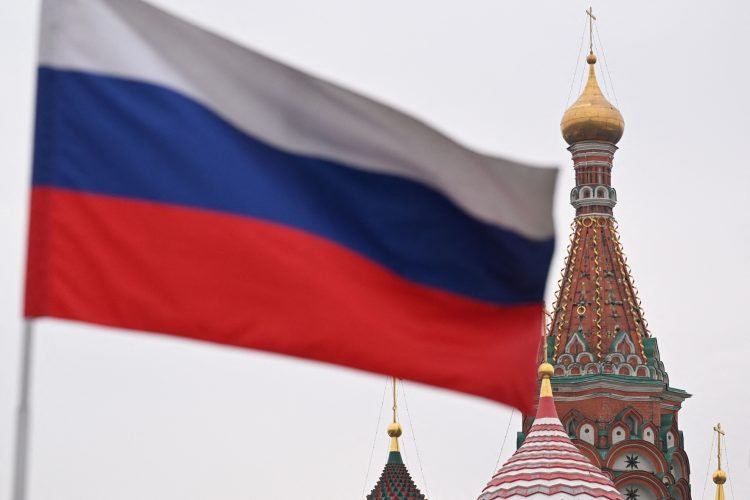
AFBytes Brief
Russia declared it will reject any future U.S. or NATO military presence in Afghanistan. The position reflects Moscow's broader strategic interests in the region.
Why this matters
Great-power positioning in Afghanistan affects regional stability and potential U.S. counterterrorism operations.
Perspectives on this story
AI-generated analytical lenses meant to encourage you to think across multiple frames. Not attributed to any individual; not presented as fact.
Household Impact
How this affects family budgets, jobs, and day-to-day life.
Regional instability can indirectly affect energy prices and supply chains that reach U.S. consumers.
America First View
How this lands for readers prioritizing American sovereignty, borders, and domestic industry.
Russia's stance challenges U.S. ability to maintain independent security arrangements in Central Asia.
Institutional View
How established institutions -- agencies, courts, allied governments -- are likely to frame it.
The Russian position emphasizes sovereign consent and existing international agreements on Afghan territory.
Civil Liberties View
How this reads through the lens of constitutional rights, free speech, and due process.
No civil liberties principles are directly engaged by the diplomatic statement.
National Security View
How this matters for defense posture, intelligence, and adversary deterrence.
The rejection affects planning for U.S. and allied access to Afghan bases and overflight routes.
Adversary View
How foreign rivals are likely to frame this story. Not presented as fact and does not reflect the views of AFBytes.
Russian officials present the statement as defense of Afghan sovereignty against external military footholds.
AFBytes analysis is AI-assisted and generated from source metadata, article summaries, and topic context. It is intended to help readers think through implications, not replace the original reporting from khaama.com. See our AI and Summary Disclosure for details.