AI reshaping ophthalmology care in UK and Germany
AFBytes Brief
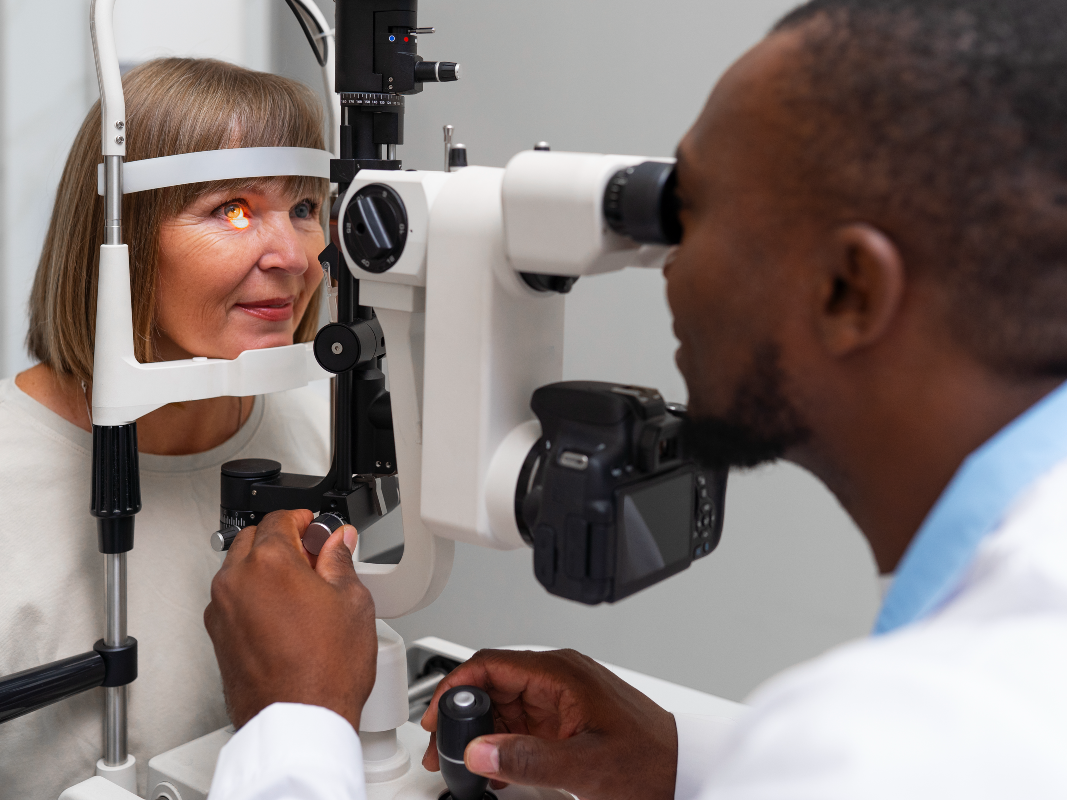
AI medical devices are moving into standard ophthalmic practice in the United Kingdom and Germany. Evaluations focus on diagnostic performance within existing care flows.
Why this matters
Adoption of AI diagnostic tools in specialty medicine can alter wait times and access costs for patients managing chronic eye conditions.
Quick take
- Money Angle
- Wider deployment of AI diagnostics may reduce per-case labor costs in specialist clinics over time.
- Market Impact
- Health-technology suppliers with regulatory clearances in Europe could see gradual revenue gains.
- Who Benefits
- Ophthalmology clinics gain workflow efficiency from automated screening steps.
- Who Loses
- Traditional manual diagnostic providers face gradual displacement in high-volume settings.
- What to Watch Next
- Observe further regulatory clearances and reimbursement decisions by European health authorities.
Perspectives on this story
AI-generated analytical lenses meant to encourage you to think across multiple frames. Not attributed to any individual; not presented as fact.
Household Impact
How this affects family budgets, jobs, and day-to-day life.
Faster eye-disease detection can lower long-term treatment costs for patients with diabetes or age-related conditions.
America First View
How this lands for readers prioritizing American sovereignty, borders, and domestic industry.
Domestic development of medical AI supports technological self-reliance in critical healthcare infrastructure.
Institutional View
How established institutions -- agencies, courts, allied governments -- are likely to frame it.
Medical device regulators evaluate AI tools under existing safety and efficacy statutes.
Civil Liberties View
How this reads through the lens of constitutional rights, free speech, and due process.
Patient data handling in AI systems raises questions of informed consent and record privacy.
National Security View
How this matters for defense posture, intelligence, and adversary deterrence.
Secure domestic health-data infrastructure protects sensitive population health information.
Adversary View
How foreign rivals are likely to frame this story. Not presented as fact and does not reflect the views of AFBytes.
No clear adversary framing applies to this story.
AFBytes analysis is AI-assisted and generated from source metadata, article summaries, and topic context. It is intended to help readers think through implications, not replace the original reporting from jmir.org. See our AI and Summary Disclosure for details.