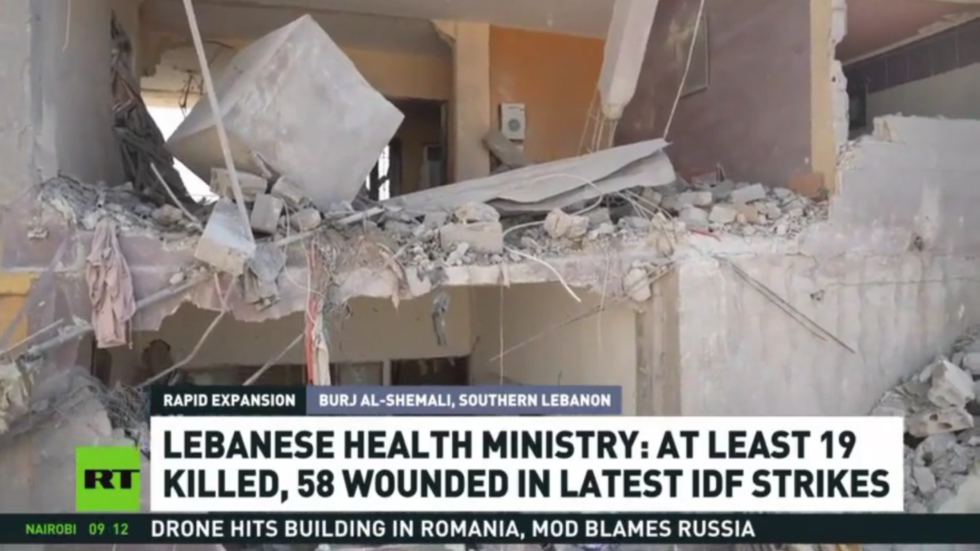
Israeli Airstrikes Continue in South Lebanon After Ceasefire
AFBytes Brief
Israeli forces conducted airstrikes on villages in southern Lebanon even after a ceasefire declaration. Local reporting indicates civilian areas were hit, raising questions about enforcement of the truce.
Why this matters
Continued strikes risk renewed escalation that could draw in wider regional actors and affect global energy prices through supply disruptions in the eastern Mediterranean.
Quick take
- Money Angle
- Escalation risk can lift oil prices and increase volatility in energy and shipping markets that serve U.S. consumers and importers.
- Market Impact
- Brent crude and regional defense equities may see upward price pressure on any sustained breach of the ceasefire.
- Who Benefits
- Defense contractors receive additional orders when regional tensions remain elevated.
- Who Loses
- Lebanese civilians and local businesses face property damage and economic disruption from renewed strikes.
- What to Watch Next
- Monitor official statements from the U.S. State Department and Lebanese government on ceasefire compliance for signs of de-escalation or breakdown.
Perspectives on this story
AI-generated analytical lenses meant to encourage you to think across multiple frames. Not attributed to any individual; not presented as fact.
Household Impact
How this affects family budgets, jobs, and day-to-day life.
Higher energy costs from regional instability can raise household fuel and heating expenses in the United States.
America First View
How this lands for readers prioritizing American sovereignty, borders, and domestic industry.
Stable Middle East energy flows support U.S. energy independence goals and limit reliance on adversarial suppliers.
Institutional View
How established institutions -- agencies, courts, allied governments -- are likely to frame it.
U.S. and allied governments assess compliance through diplomatic reporting channels and existing arms-control or ceasefire monitoring mechanisms.
Civil Liberties View
How this reads through the lens of constitutional rights, free speech, and due process.
No direct U.S. constitutional issue is presented by foreign military actions.
National Security View
How this matters for defense posture, intelligence, and adversary deterrence.
Renewed conflict risks drawing additional U.S. diplomatic and military resources into alliance management and deterrence operations.
Adversary View
How foreign rivals are likely to frame this story. Not presented as fact and does not reflect the views of AFBytes.
Iranian state media typically frames continued Israeli operations as evidence of disregard for international agreements and Lebanese sovereignty.
AFBytes analysis is AI-assisted and generated from source metadata, article summaries, and topic context. It is intended to help readers think through implications, not replace the original reporting from rt.com. See our AI and Summary Disclosure for details.