China gains diplomatic edge after Trump Beijing summit
AFBytes Brief
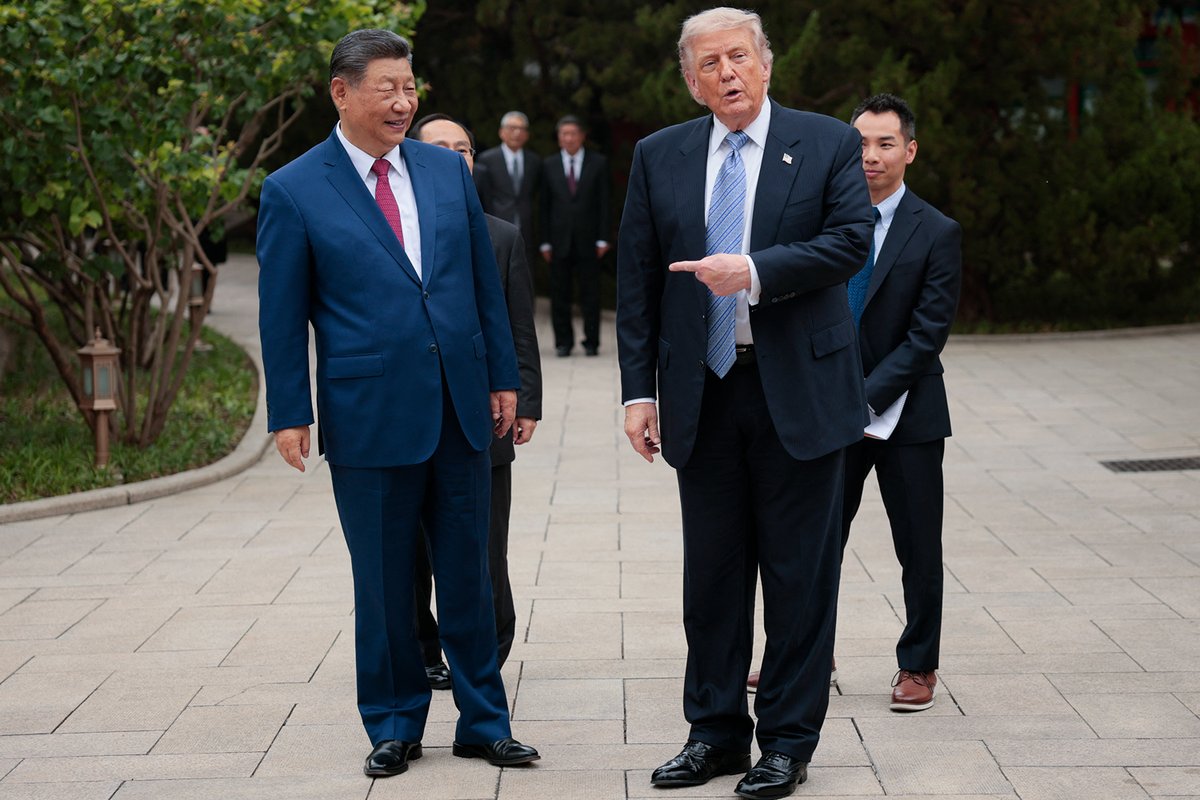
Analysis of the recent Trump visit to Beijing concludes that China secured favorable positioning on several bilateral issues. The outcome suggests momentum has shifted toward Chinese negotiating priorities.
Why this matters
Shifts in U.S.-China diplomatic leverage can affect tariffs on imported goods, which directly influence household costs for electronics, clothing, and other consumer products. Trade policy changes also shape employment in manufacturing and agriculture sectors.
Quick take
- Money Angle
- Tariff and technology export decisions emerging from the talks can alter revenue prospects for U.S. firms selling into China and for importers sourcing from Chinese factories.
- Market Impact
- U.S. companies with heavy China exposure in semiconductors, agriculture, and consumer goods may experience volatility tied to any new policy signals.
- Who Benefits
- Chinese state-linked enterprises gain breathing room on technology restrictions and trade enforcement measures.
- Who Loses
- U.S. exporters facing continued or expanded barriers in the Chinese market experience reduced sales opportunities.
- What to Watch Next
- Monitor upcoming Commerce Department or USTR announcements on export controls and tariff adjustments for concrete policy follow-through.
Perspectives on this story
AI-generated analytical lenses meant to encourage you to think across multiple frames. Not attributed to any individual; not presented as fact.
Household Impact
How this affects family budgets, jobs, and day-to-day life.
Changes in tariff levels on Chinese imports can raise or lower prices on everyday goods ranging from appliances to apparel.
America First View
How this lands for readers prioritizing American sovereignty, borders, and domestic industry.
The summit results highlight the challenge of maintaining leverage in negotiations aimed at protecting domestic industries and reducing trade imbalances.
Institutional View
How established institutions -- agencies, courts, allied governments -- are likely to frame it.
State Department and trade agencies will assess whether the outcomes align with statutory mandates on fair trade practices and national economic security.
Civil Liberties View
How this reads through the lens of constitutional rights, free speech, and due process.
Technology transfer and data access provisions in any agreements could affect privacy standards for U.S. firms operating in China.
National Security View
How this matters for defense posture, intelligence, and adversary deterrence.
Outcomes on technology controls and supply chain issues carry implications for defense-related industrial capacity and critical materials access.
AFBytes analysis is AI-assisted and generated from source metadata, article summaries, and topic context. It is intended to help readers think through implications, not replace the original reporting from foreignpolicy.com. See our AI and Summary Disclosure for details.