Trump Final Decision on Iran Nuclear and Shipping Deal
AFBytes Brief
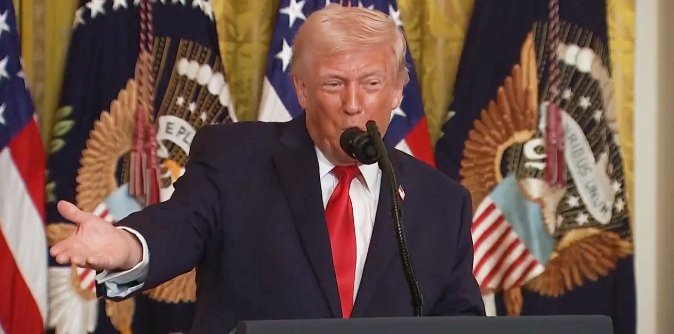
Trump announced he is reaching a final decision on a peace deal with Iran. The terms demand that Iran never acquire nuclear weapons and that the Strait of Hormuz remain open without tolls for all shipping.
Why this matters
Any agreement would influence oil prices and global trade routes through the Strait of Hormuz, directly affecting U.S. energy costs and household budgets.
Quick take
- Money Angle
- Stable access through the Strait of Hormuz supports predictable oil supply flows that influence U.S. gasoline prices and broader inflation measures.
- Market Impact
- Oil futures and energy equities would likely move sharply on any confirmed agreement or breakdown in talks.
- Who Benefits
- U.S. refiners and shipping firms gain from uninterrupted low-cost transit through the Strait of Hormuz.
- Who Loses
- Iran faces continued sanctions pressure if it rejects the nuclear and shipping conditions.
- What to Watch Next
- Monitor the next White House statement on Iran and any subsequent OPEC production announcements for price signals.
Perspectives on this story
AI-generated analytical lenses meant to encourage you to think across multiple frames. Not attributed to any individual; not presented as fact.
Household Impact
How this affects family budgets, jobs, and day-to-day life.
Disruptions or resolutions at the Strait of Hormuz translate directly into changes in U.S. gasoline and heating oil prices.
America First View
How this lands for readers prioritizing American sovereignty, borders, and domestic industry.
Securing open sea lanes reinforces U.S. trade leverage and reduces dependence on potentially hostile energy routes.
Institutional View
How established institutions -- agencies, courts, allied governments -- are likely to frame it.
The president exercises constitutional authority to negotiate international agreements without immediate congressional approval.
Civil Liberties View
How this reads through the lens of constitutional rights, free speech, and due process.
The development centers on foreign policy and does not directly implicate domestic constitutional rights.
National Security View
How this matters for defense posture, intelligence, and adversary deterrence.
Preventing Iranian nuclear capability remains a core U.S. defense priority in the Persian Gulf region.
Adversary View
How foreign rivals are likely to frame this story. Not presented as fact and does not reflect the views of AFBytes.
China and Russia are likely to portray U.S. demands as unilateral pressure that justifies closer economic and security ties with Iran.
AFBytes analysis is AI-assisted and generated from source metadata, article summaries, and topic context. It is intended to help readers think through implications, not replace the original reporting from joemygod.com. See our AI and Summary Disclosure for details.