Putin Kazakhstan visit highlights Eurasian energy and trade ties
AFBytes Brief
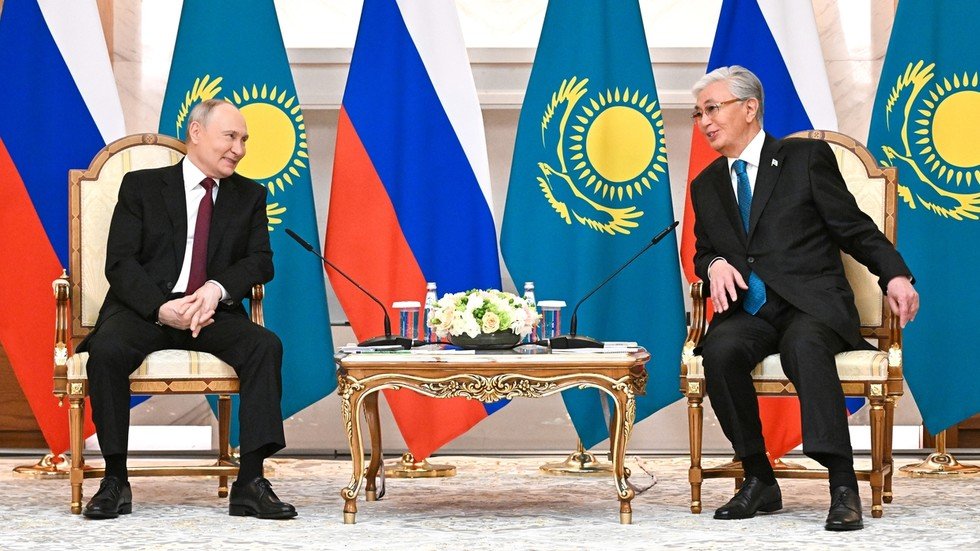
Putin’s trip to Astana emphasized expanding energy, infrastructure, and nuclear cooperation. The meetings point to deeper Eurasian economic integration.
Why this matters
Energy and infrastructure deals between Russia and Central Asian states can influence global commodity prices and trade routes affecting U.S. energy costs.
Quick take
- Money Angle
- Joint energy and nuclear projects could redirect capital flows and commodity supply chains across Eurasia.
- Market Impact
- Energy and uranium markets may experience modest price pressure from expanded Russia-Kazakhstan cooperation.
- Who Benefits
- Russian and Kazakh state energy firms gain expanded project pipelines and revenue.
- Who Loses
- Competing energy exporters outside the region may face reduced market share.
- What to Watch Next
- Monitor upcoming bilateral energy contract announcements for volume and pricing signals.
Perspectives on this story
AI-generated analytical lenses meant to encourage you to think across multiple frames. Not attributed to any individual; not presented as fact.
Household Impact
How this affects family budgets, jobs, and day-to-day life.
Shifts in Eurasian energy supply could eventually influence U.S. gasoline and heating costs.
America First View
How this lands for readers prioritizing American sovereignty, borders, and domestic industry.
Closer Russia-Kazakhstan ties strengthen alternative trade blocs outside Western-led frameworks.
Institutional View
How established institutions -- agencies, courts, allied governments -- are likely to frame it.
Regional cooperation proceeds under existing bilateral treaties and energy agreements.
Civil Liberties View
How this reads through the lens of constitutional rights, free speech, and due process.
No direct civil liberties concerns arise from state-to-state energy diplomacy.
National Security View
How this matters for defense posture, intelligence, and adversary deterrence.
Expanded nuclear and infrastructure ties may affect global nonproliferation and energy security calculations.
Adversary View
How foreign rivals are likely to frame this story. Not presented as fact and does not reflect the views of AFBytes.
Russian state media frames the visit as successful expansion of Eurasian economic influence.
AFBytes analysis is AI-assisted and generated from source metadata, article summaries, and topic context. It is intended to help readers think through implications, not replace the original reporting from rt.com. See our AI and Summary Disclosure for details.