Senate bill stalls over $1.7B compensation fund
AFBytes Brief
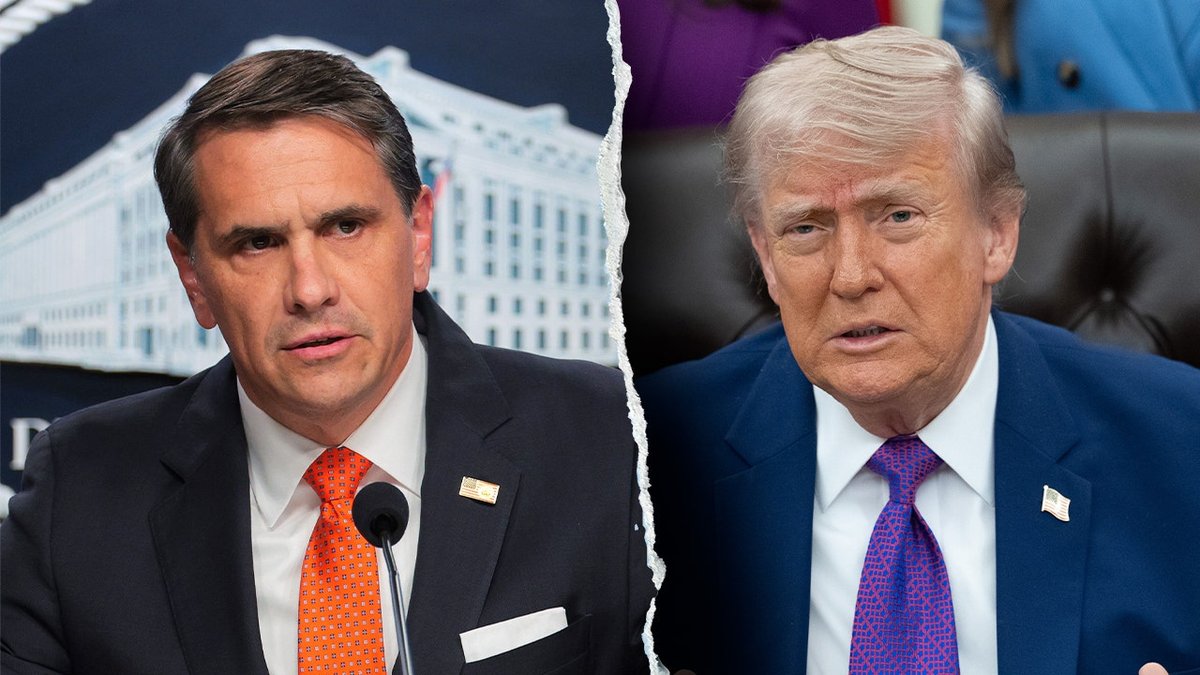
Acting Attorney General Todd Blanche's proposed $1.776 billion compensation fund has stalled a Senate Republican measure to fund ICE and border operations.
Why this matters
Border security funding directly affects enforcement capacity and related federal spending priorities. Delays can influence operational resources for immigration enforcement.
Quick take
- Money Angle
- Federal budget allocations for enforcement agencies compete with new compensation programs for limited discretionary dollars.
- Market Impact
- No immediate public market reaction is expected, though prolonged delays could affect contractors supporting border infrastructure.
- Who Benefits
- Advocates for compensation to alleged victims gain leverage in legislative negotiations.
- Who Loses
- ICE operations face continued funding uncertainty that can limit staffing and facility expansions.
- What to Watch Next
- Monitor Senate floor votes on the combined funding package for signs of compromise or further delay.
Perspectives on this story
AI-generated analytical lenses meant to encourage you to think across multiple frames. Not attributed to any individual; not presented as fact.
Household Impact
How this affects family budgets, jobs, and day-to-day life.
Border enforcement levels influence regional labor markets and public service costs in affected states.
America First View
How this lands for readers prioritizing American sovereignty, borders, and domestic industry.
Prioritizing domestic border security resources supports enforcement of immigration laws and reduces fiscal exposure from unlawful entries.
Institutional View
How established institutions -- agencies, courts, allied governments -- are likely to frame it.
Congress exercises its appropriations power under the Constitution to set agency funding levels each fiscal year.
Civil Liberties View
How this reads through the lens of constitutional rights, free speech, and due process.
Compensation proposals raise questions about due process standards when addressing claims of government overreach.
National Security View
How this matters for defense posture, intelligence, and adversary deterrence.
Border funding decisions affect the capacity to deter illegal crossings and maintain control over ports of entry.
AFBytes analysis is AI-assisted and generated from source metadata, article summaries, and topic context. It is intended to help readers think through implications, not replace the original reporting from foxnews.com. See our AI and Summary Disclosure for details.
Discussion on
Trending posts from X.
🚨 Every Republican present in the House Appropriations Committee last night voted to make THEMSELVES eligible to collect from Trump's $1.8 billion January 6th slush fund. I am not making this up.
— Rep. Mike Levin (@RepMikeLevin) May 21, 2026
I introduced an amendment to stop Members of Congress, the President, and the… pic.twitter.com/RU0H0RfBY0
This week, Republican Nancy Mace introduced a bill to ban naturalized citizens from government service.
— Rep. Pramila Jayapal (@RepJayapal) May 22, 2026
This is insulting to the hundreds of thousands of constituents who voted for a naturalized citizen and ignores the fact that all of us, besides Native Americans, are descended…
Republicans in Congress did WHAT??? https://t.co/Sxb10a9LuA
— Tara Setmayer 🌻 🇺🇸 (@TaraSetmayer) May 23, 2026
Senate Majority @LeaderJohnThune canceled Thursday's planned vote on the Secure America Act—the $23B DHS immigration funding bill—missing Trump's June 1 deadline and sending Congress home for a weeklong recess.
— The Daily Signal (@DailySignal) May 22, 2026
Two issues derailed it:
1. GOP concerns over the DOJ's…
Consumer sentiment sinks to the lowest ever in history under the policies of trump and Republicans.
— Ted Lieu (@tedlieu) May 22, 2026
So what are trump and Republicans focused on?
-$1 billion @WhiteHouse ballroom
-Giant arch in DC to honor trump
-$1.8 billion slush fund to pay criminals
November is coming. https://t.co/Ao0UZ3aSvr