Trump Gains Leverage in U.S.-China Talks
AFBytes Brief
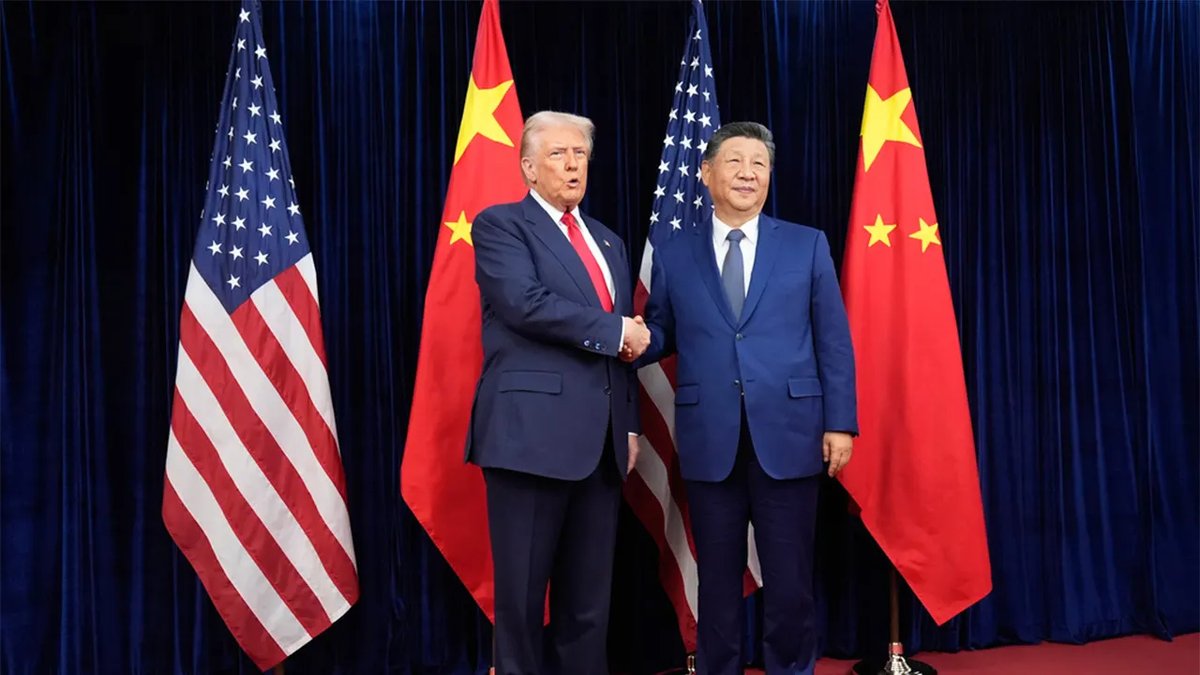
Former President Trump approaches China talks with strengthened U.S. economic position from deregulation and trade deals. Energy independence and USMCA enhance leverage. Beijing recognizes shifts favoring American interests.
Why this matters
U.S.-China dynamics influence trade, jobs, and consumer prices for goods like electronics. Foreign policy here affects manufacturing wages and supply chains. Americans benefit from policies reducing reliance on adversarial imports.
Quick take
- Money Angle
- Deregulation boosts U.S. energy exports, tightening pressure on China's import needs.
- Market Impact
- Sino-U.S. trade sensitive sectors like semiconductors and energy may rally on leverage news.
- Who Benefits
- U.S. producers gain from favorable trade terms reshaping global flows.
- Who Loses
- China faces constrained bargaining amid U.S. dominance.
- What to Watch Next
- Details from Trump's China visit will outline specific tariff or deal adjustments.
Three takes on this
AI-generated framings meant to encourage you to think. Not attributed to any individual; not presented as fact.
Everyday American
Will this make day-to-day life better or worse for my family?
Shoppers notice cheaper energy and goods from strong trade positions easing bills. Job security in manufacturing improves with fair deals. They favor policies prioritizing U.S. workers.
MAGA Republicans
What this likely confirms or alarms in their worldview.
They hail Trump's leverage as America First triumph over China threats. Deregulation and deals embody winning strategies. This reinforces economic nationalism.
Democrats
What this likely confirms or alarms in their worldview.
They stress multilateral approaches over unilateral bravado, wary of escalation risks. Focus is on alliances curbing China influence. They prioritize worker protections in any deals.