Trump 10% China tariff fentanyl crisis
AFBytes Brief
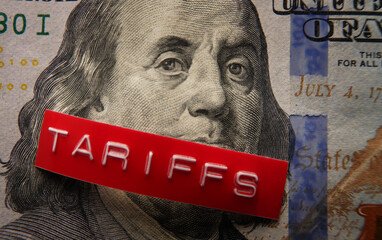
The announcement ties a broad 10 percent tariff to China's alleged shortcomings in controlling fentanyl precursors. The move escalates economic pressure without new negotiations or exemptions detailed.
Why this matters
The tariff directly raises costs on imported consumer goods and components, affecting household budgets through higher prices at retail. It also signals continued use of trade policy to pressure foreign governments on drug trafficking that reaches U.S. communities.
Quick take
- Money Angle
- Tariffs function as a tax on imports that importers typically pass through to U.S. buyers, raising input costs across electronics, apparel, and machinery sectors.
- Market Impact
- Equity markets in consumer discretionary and technology hardware sectors face downward pressure while domestic manufacturers in similar categories may see relative gains.
- Who Benefits
- U.S. companies producing competing domestic goods gain pricing room while enforcement agencies receive additional leverage in negotiations.
- Who Loses
- Importers and retailers reliant on Chinese supply chains absorb margin compression or pass costs to consumers.
- What to Watch Next
- Watch the next U.S. Trade Representative announcement or Federal Register filing for the exact effective date and product scope.
Perspectives on this story
AI-generated analytical lenses meant to encourage you to think across multiple frames. Not attributed to any individual; not presented as fact.
Household Impact
How this affects family budgets, jobs, and day-to-day life.
Higher prices on everyday imported products would directly increase costs for groceries, electronics, and household goods purchased by American families.
America First View
How this lands for readers prioritizing American sovereignty, borders, and domestic industry.
The policy reinforces U.S. leverage over foreign supply chains and drug flows entering the country.
Institutional View
How established institutions -- agencies, courts, allied governments -- are likely to frame it.
Agencies such as USTR and Customs and Border Protection would apply existing statutory tariff authority under Section 301 or the Trade Act.
Civil Liberties View
How this reads through the lens of constitutional rights, free speech, and due process.
No direct constitutional rights issue arises from the tariff action itself.
National Security View
How this matters for defense posture, intelligence, and adversary deterrence.
The measure addresses supply-chain vulnerabilities tied to precursor chemicals used in domestic drug crises.
Adversary View
How foreign rivals are likely to frame this story. Not presented as fact and does not reflect the views of AFBytes.
Chinese state media would likely present the tariffs as unilateral economic aggression designed to contain China's industrial rise.
AFBytes analysis is AI-assisted and generated from source metadata, article summaries, and topic context. It is intended to help readers think through implications, not replace the original reporting from shtfplan.com. See our AI and Summary Disclosure for details.