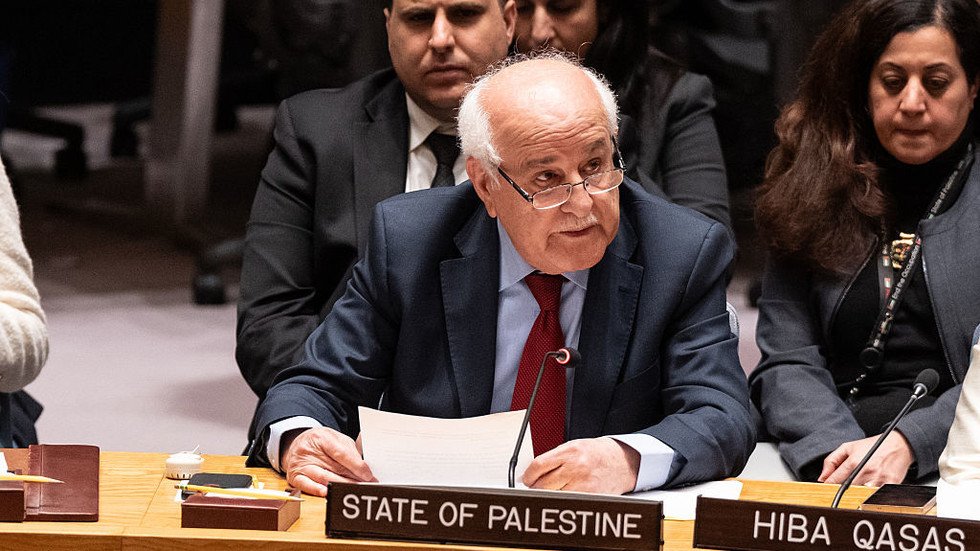
US pressures Palestinian UN envoy over General Assembly bid
AFBytes Brief
The Trump administration is reportedly urging a Palestinian UN envoy to withdraw a planned General Assembly bid. Officials have also warned that failure to comply could result in revocation of the envoy's visa.
Why this matters
The reported pressure affects U.S. foreign policy leverage at the United Nations and could influence ongoing Middle East diplomatic efforts. It also raises questions about how the United States uses visa policy as a tool in international negotiations.
Quick take
- What to Watch Next
- Watch for any formal State Department statement or UN General Assembly scheduling update that would confirm whether the bid has been withdrawn.
Perspectives on this story
AI-generated analytical lenses meant to encourage you to think across multiple frames. Not attributed to any individual; not presented as fact.
Household Impact
How this affects family budgets, jobs, and day-to-day life.
The diplomatic move has no direct effect on household budgets or daily costs for most Americans.
America First View
How this lands for readers prioritizing American sovereignty, borders, and domestic industry.
The action reflects an effort to maintain U.S. influence over UN proceedings and limit initiatives opposed by the administration.
Institutional View
How established institutions -- agencies, courts, allied governments -- are likely to frame it.
Federal agencies would frame the step as an exercise of standard diplomatic and consular authority under existing statutes.
Civil Liberties View
How this reads through the lens of constitutional rights, free speech, and due process.
The threat of visa revocation touches on the executive branch's broad discretion over entry and presence of foreign officials.
National Security View
How this matters for defense posture, intelligence, and adversary deterrence.
The pressure aims to shape outcomes at the United Nations that could affect U.S. positions on security-related resolutions.
AFBytes analysis is AI-assisted and generated from source metadata, article summaries, and topic context. It is intended to help readers think through implications, not replace the original reporting from rt.com. See our AI and Summary Disclosure for details.