Tokyo Airport Robots Test Baggage Handling
AFBytes Brief
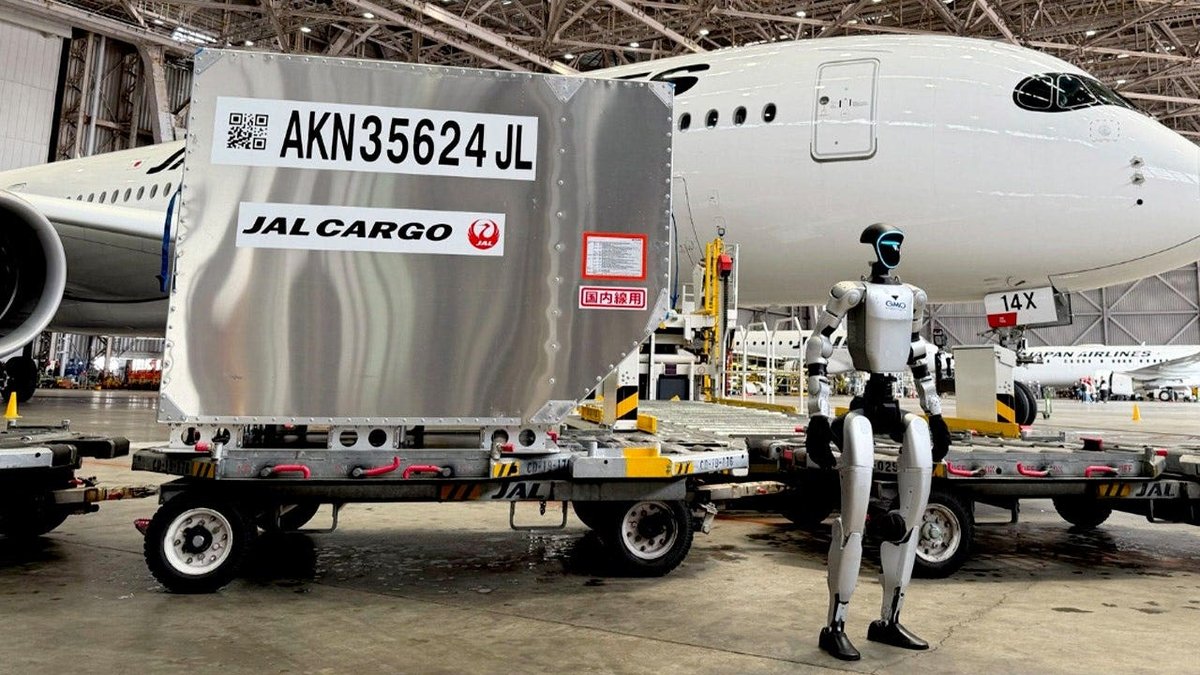
Japan Airlines tests humanoid robots at Haneda for baggage handling. Robots aid ground crews amid rising passengers and shortages. Trial addresses labor gaps.
Why this matters
Automation in airports cuts travel delays, benefiting business travelers and families. U.S. airlines may adopt similar tech affecting jobs. It lowers operational costs passed to tickets.
Quick take
- Money Angle
- Robots reduce labor costs, improving airline margins under demand pressure.
- Market Impact
- Robotics firms like those supplying Japan Airlines gain on global adoption.
- Who Benefits
- Airlines save on wages with efficient baggage handling.
- Who Loses
- Ground crew workers face displacement risks from robots.
- What to Watch Next
- Follow Japan Airlines trial results for robot deployment scale.
Three takes on this
AI-generated framings meant to encourage you to think. Not attributed to any individual; not presented as fact.
Everyday American
Will this make day-to-day life better or worse for my family?
Faster baggage means smoother trips, saving family vacation time. Job losses worry airport workers. Ticket prices might stabilize.
MAGA Republicans
What this likely confirms or alarms in their worldview.
Robots fill gaps without immigration, prioritizing tech over foreign labor. It boosts efficiency. This aligns with domestic innovation.
Democrats
What this likely confirms or alarms in their worldview.
Trials need worker protections during automation shifts. It supports green jobs transition. Responses emphasize training programs.