Foreign Policy Analysis Weighs Military Options Toward Cuba
AFBytes Brief
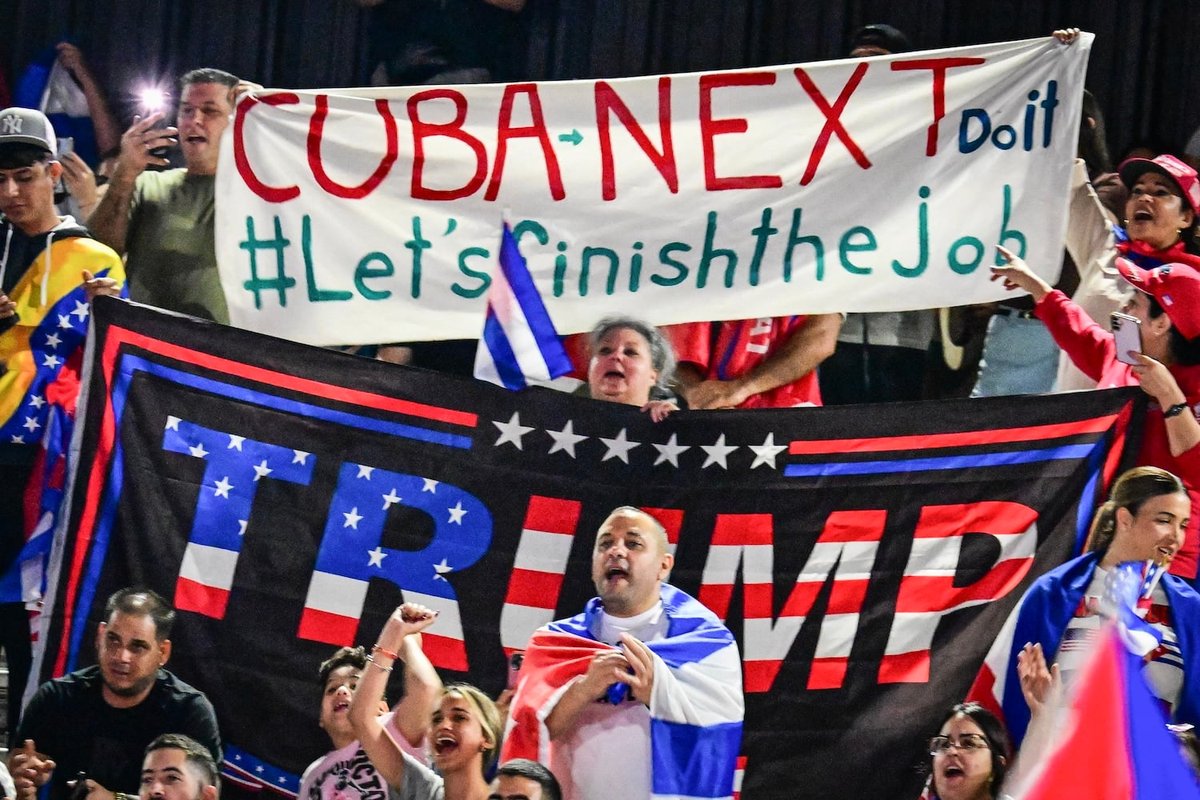
Analysts are assessing whether recent developments could push the United States toward military involvement in Cuba. Comparisons with past operations against figures such as Maduro illustrate differing costs and outcomes.
Why this matters
U.S. policy decisions on Cuba affect regional stability, migration flows, and energy trade routes that influence American consumers and border communities.
Quick take
- What to Watch Next
- Observe State Department statements and congressional hearings on Cuba policy for signs of shifting posture.
Perspectives on this story
AI-generated analytical lenses meant to encourage you to think across multiple frames. Not attributed to any individual; not presented as fact.
Household Impact
How this affects family budgets, jobs, and day-to-day life.
Regional instability can affect migration patterns and energy prices that reach U.S. households through fuel costs and local labor markets.
America First View
How this lands for readers prioritizing American sovereignty, borders, and domestic industry.
Any U.S. action would prioritize national security interests and border management over external regime change.
Institutional View
How established institutions -- agencies, courts, allied governments -- are likely to frame it.
Executive branch decisions would rest on statutory authorities governing use of force and sanctions enforcement.
Civil Liberties View
How this reads through the lens of constitutional rights, free speech, and due process.
Military engagement raises questions about due process for foreign nationals and oversight of executive power.
National Security View
How this matters for defense posture, intelligence, and adversary deterrence.
Cuba remains a focus for intelligence collection and regional deterrence planning within the Department of Defense.
AFBytes analysis is AI-assisted and generated from source metadata, article summaries, and topic context. It is intended to help readers think through implications, not replace the original reporting from foreignpolicy.com. See our AI and Summary Disclosure for details.