CVE-2026-48172 LiteSpeed cPanel plugin root escalation exploit
AFBytes Brief
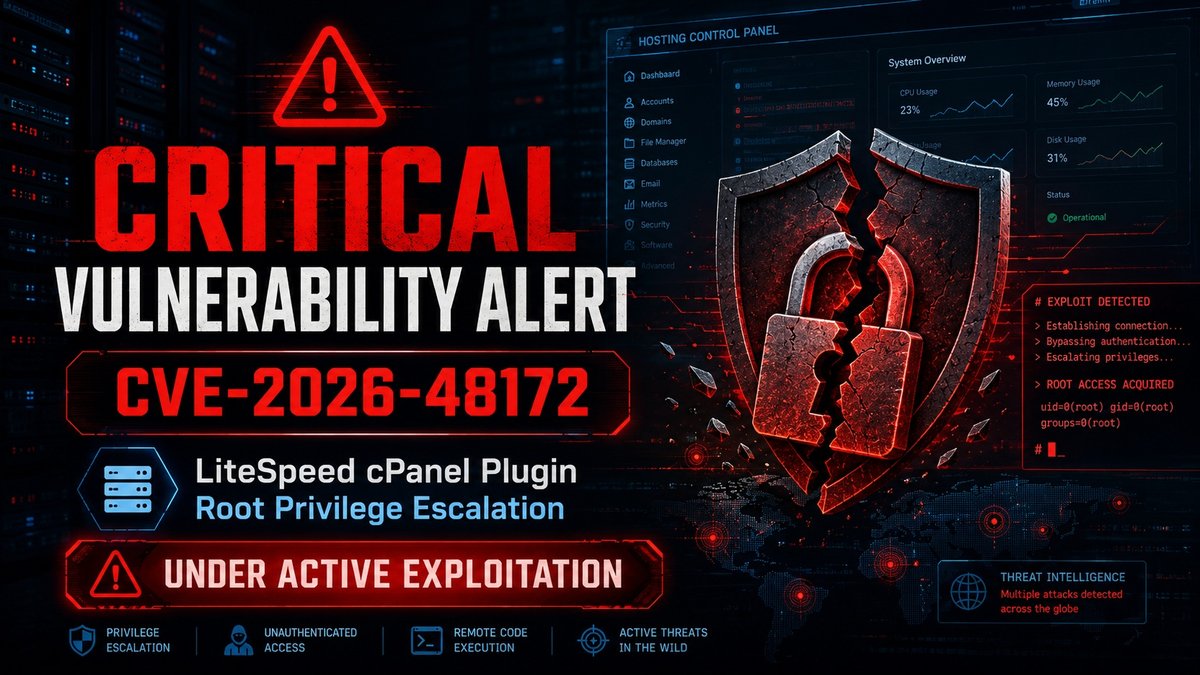
A serious security flaw in the LiteSpeed cPanel plugin enables root-level privilege escalation and is already being exploited. Administrators of affected servers should apply patches or mitigations immediately to prevent unauthorized access.
Why this matters
The vulnerability allows attackers to gain root access on servers running the affected plugin. Server operators face elevated risk of data breaches and service disruptions. Hosting providers may incur higher security costs to patch systems quickly.
Quick take
- Money Angle
- Hosting providers and website operators face potential financial losses from downtime, data theft, and remediation expenses after the exploit becomes public.
- Market Impact
- Cybersecurity vendors and managed hosting companies may see increased demand while affected server software providers risk reputational damage and customer churn.
- Who Benefits
- Security firms offering vulnerability scanning and incident response services gain new clients seeking immediate protection.
- Who Loses
- Website owners and VPS providers using the unpatched LiteSpeed plugin lose operational control and face recovery costs.
- What to Watch Next
- Watch for official patch releases or CVE updates from LiteSpeed or cPanel that confirm remediation availability and scope.
Perspectives on this story
AI-generated analytical lenses meant to encourage you to think across multiple frames. Not attributed to any individual; not presented as fact.
Household Impact
How this affects family budgets, jobs, and day-to-day life.
Individuals relying on hosted websites or small business servers could experience service outages or data exposure that disrupts daily operations and increases recovery expenses.
America First View
How this lands for readers prioritizing American sovereignty, borders, and domestic industry.
Widespread exploitation of U.S.-based hosting infrastructure highlights the need for stronger domestic supply chain security standards in critical internet services.
Institutional View
How established institutions -- agencies, courts, allied governments -- are likely to frame it.
Federal cybersecurity agencies would emphasize rapid disclosure, coordinated vulnerability response, and adherence to established patching timelines under existing authorities.
Civil Liberties View
How this reads through the lens of constitutional rights, free speech, and due process.
Unauthorized root access on servers can lead to surveillance of user data without due process, raising concerns over privacy protections in digital communications.
National Security View
How this matters for defense posture, intelligence, and adversary deterrence.
Compromised servers in the hosting sector can serve as entry points for attacks on critical infrastructure and supply chain components relied upon by government and commercial networks.
Adversary View
How foreign rivals are likely to frame this story. Not presented as fact and does not reflect the views of AFBytes.
No clear adversary framing applies to this story.
AFBytes analysis is AI-assisted and generated from source metadata, article summaries, and topic context. It is intended to help readers think through implications, not replace the original reporting from lowendbox.com. See our AI and Summary Disclosure for details.