Iranian President Offers Nuclear Weapons Assurances
AFBytes Brief
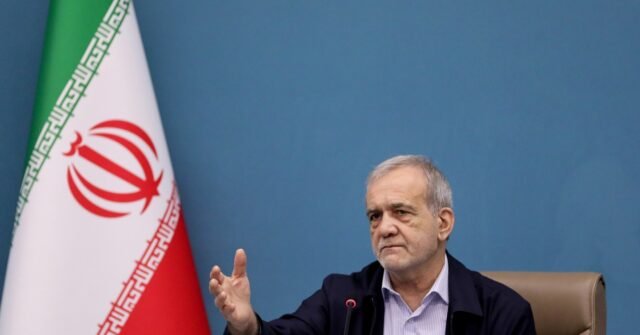
Iranian President Masoud Pezeshkian stated that Tehran is prepared to demonstrate it is not seeking nuclear weapons.
Why this matters
Developments in Iran’s nuclear posture can influence global energy prices and U.S. foreign policy commitments that affect defense spending and trade.
Quick take
- Money Angle
- Nuclear diplomacy can shift oil supply expectations and thereby move energy prices that feed into household fuel and heating costs.
- Market Impact
- Crude oil futures and energy equities are likely to react to any perceived easing or escalation in sanctions posture.
- Who Benefits
- Countries and companies able to expand energy exports if sanctions pressure eases would see revenue gains.
- Who Loses
- Domestic U.S. energy producers may face increased global competition if Iranian supply returns to markets.
- What to Watch Next
- Watch International Atomic Energy Agency reports and any scheduled diplomatic meetings for verification steps or renewed restrictions.
Perspectives on this story
AI-generated analytical lenses meant to encourage you to think across multiple frames. Not attributed to any individual; not presented as fact.
Household Impact
How this affects family budgets, jobs, and day-to-day life.
Energy price movements tied to geopolitical developments directly affect transportation and utility bills.
America First View
How this lands for readers prioritizing American sovereignty, borders, and domestic industry.
U.S. policy on Iranian nuclear issues shapes trade leverage and energy independence objectives.
Institutional View
How established institutions -- agencies, courts, allied governments -- are likely to frame it.
International nuclear agencies apply verification procedures under existing treaties and statutes.
National Security View
How this matters for defense posture, intelligence, and adversary deterrence.
Iran’s nuclear trajectory remains a factor in alliance management and deterrence calculations for the United States.
AFBytes analysis is AI-assisted and generated from source metadata, article summaries, and topic context. It is intended to help readers think through implications, not replace the original reporting from breitbart.com. See our AI and Summary Disclosure for details.