Space Travel May Impact Human Fertility and Fertilization
Summary
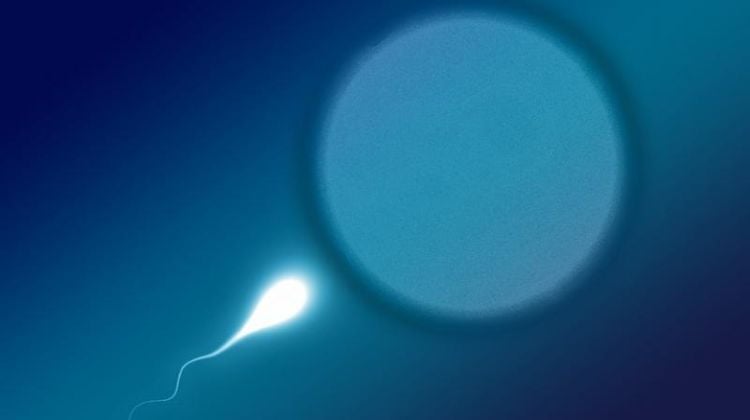
Space travel has taught us valuable lessons for living and working in outer space, specifically regarding how microgravity (often mistakenly called zero-gravity) impacts the human body during short- and long-term spaceflight. This includes decreased muscle and bone mass, fluid shifts, reduced heart rate, psychological health, compromised immune system, and radiation exposure. But with agencies like NASA aspiring to build a lunar base and establish a long-term presence on the Moon, and eventually Mars, how could space travel impact potentially having babies in space?
Description
Space travel has taught us valuable lessons for living and working in outer space, specifically regarding how microgravity (often mistakenly called zero-gravity) impacts the human body during short- and long-term spaceflight. This includes decreased muscle and bone mass, fluid shifts, reduced heart rate, psychological health, compromised immune system, and radiation exposure. But with agencies like NASA aspiring to build a lunar base and establish a long-term presence on the Moon, and eventually Mars, how could space travel impact potentially having babies in space?
Original reporting
AFBytes is a read-only aggregator. Use the original source for full context and complete reporting.
Open original source