Canva Sydney HQ solar glass Clearvue partnership
AFBytes Brief
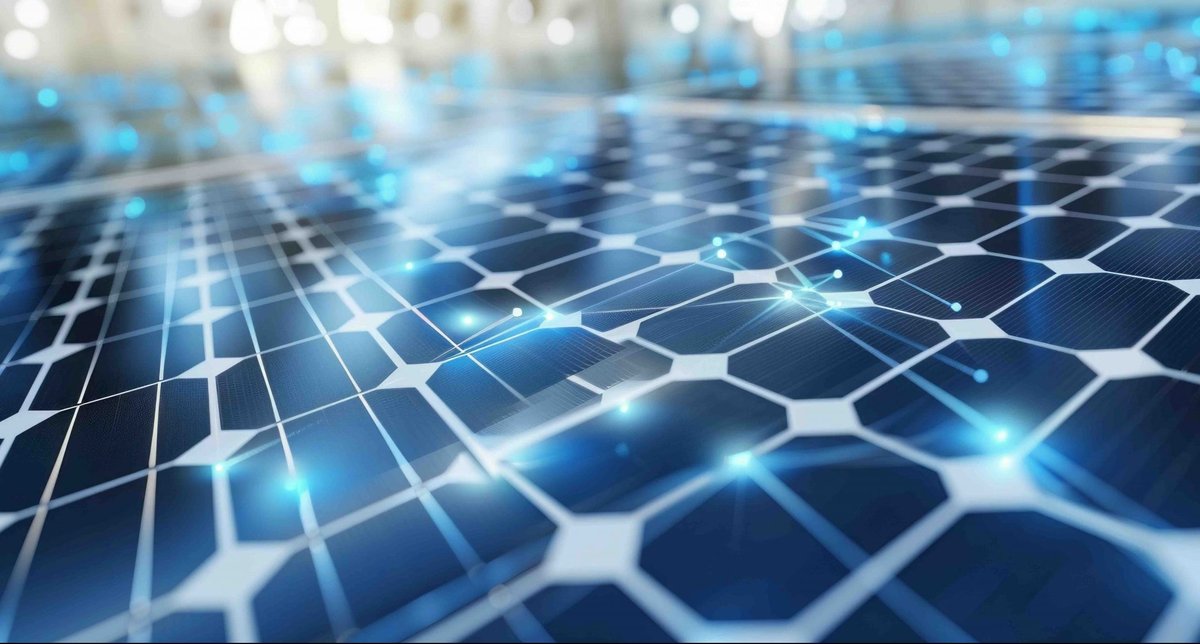
Canva announced plans for a new Sydney headquarters that will use Clearvue solar panel glass. The technology integrates electricity generation into building windows and facades. Clearvue shares rose after the disclosure.
Why this matters
The project links corporate real estate decisions to advances in building-integrated solar technology. It may influence energy costs for large commercial properties and support broader adoption of on-site renewable generation.
Quick take
- Money Angle
- Clearvue stands to gain revenue from a high-profile commercial installation that could validate its product for other large-scale projects.
- Market Impact
- ASX-listed solar and materials suppliers may see increased investor interest if the Canva project demonstrates viable returns on building-integrated photovoltaics.
- Who Benefits
- Clearvue gains a reference customer and potential follow-on contracts from other technology firms seeking sustainable headquarters.
- Who Loses
- Traditional glass and facade suppliers face competitive pressure as integrated solar options gain traction in commercial construction.
- What to Watch Next
- Watch for Clearvue contract announcements or quarterly installation updates that would confirm the scale of the Canva deployment.
Perspectives on this story
AI-generated analytical lenses meant to encourage you to think across multiple frames. Not attributed to any individual; not presented as fact.
Household Impact
How this affects family budgets, jobs, and day-to-day life.
Wider use of building-integrated solar could eventually lower electricity costs for commercial tenants and indirectly influence residential energy pricing.
America First View
How this lands for readers prioritizing American sovereignty, borders, and domestic industry.
No direct U.S. sovereignty implications arise from an Australian headquarters project.
Institutional View
How established institutions -- agencies, courts, allied governments -- are likely to frame it.
Australian planning and energy regulators would assess the installation under existing building codes and renewable energy incentive frameworks.
Civil Liberties View
How this reads through the lens of constitutional rights, free speech, and due process.
No constitutional rights or privacy issues are raised by the adoption of solar facade technology.
National Security View
How this matters for defense posture, intelligence, and adversary deterrence.
Domestic solar manufacturing capacity supports supply-chain resilience for critical energy infrastructure.
Adversary View
How foreign rivals are likely to frame this story. Not presented as fact and does not reflect the views of AFBytes.
No clear adversary framing applies to this story.
AFBytes analysis is AI-assisted and generated from source metadata, article summaries, and topic context. It is intended to help readers think through implications, not replace the original reporting from themarketherald.com.au. See our AI and Summary Disclosure for details.