NATO concludes Dynamic Mongoose submarine hunt exercise
AFBytes Brief
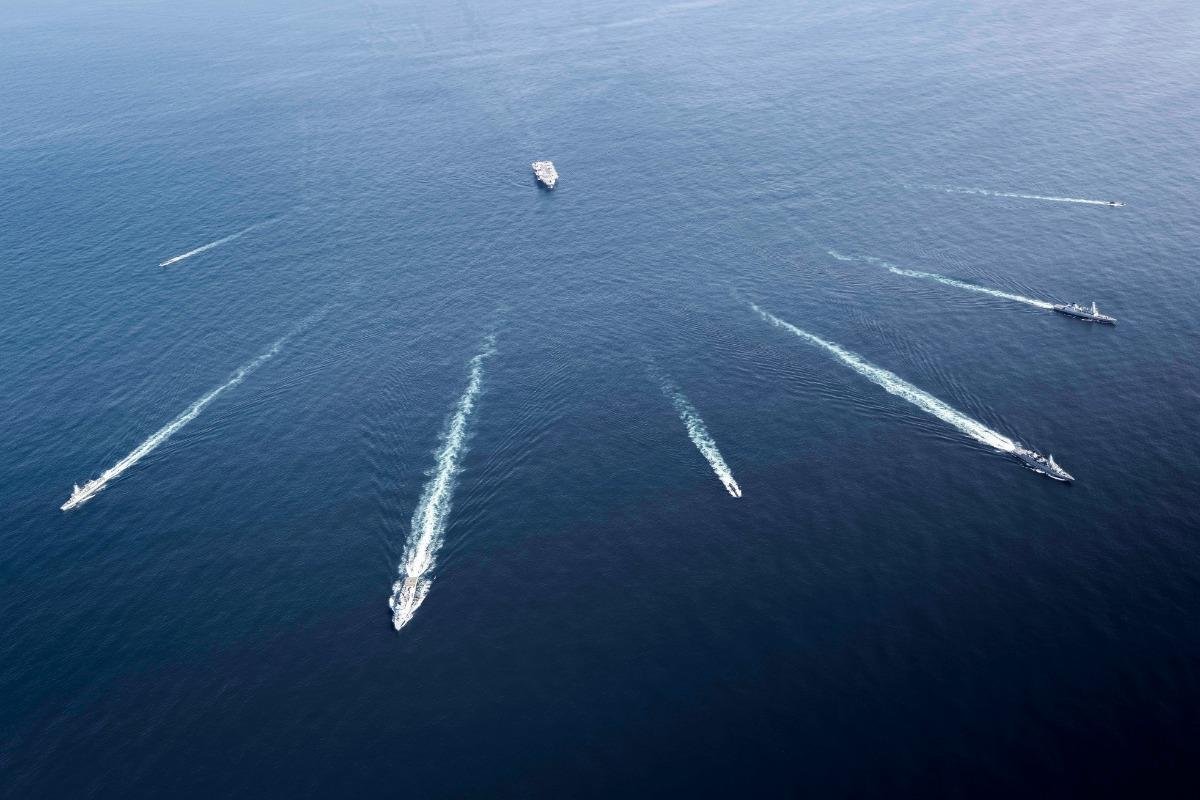
NATO completed its annual Dynamic Mongoose anti-submarine exercise after two weeks of operations. Allied and partner navies practiced detection and tracking against simulated threats.
Why this matters
Allied naval training in the Norwegian Sea strengthens undersea domain awareness relevant to transatlantic shipping lanes and energy routes.
Quick take
- Money Angle
- Defense budgets across NATO members allocate funds for training and equipment that sustain maritime security capabilities.
- Market Impact
- Defense contractors in sonar and submarine systems may see continued contract flow from participating nations.
- Who Benefits
- NATO member navies gain improved interoperability for protecting sea lanes used by energy and cargo shipments.
- Who Loses
- Adversary submarine forces face heightened detection risk from coordinated allied patrols.
- What to Watch Next
- Track NATO statements on follow-on exercises or fleet deployment announcements in the coming months.
Perspectives on this story
AI-generated analytical lenses meant to encourage you to think across multiple frames. Not attributed to any individual; not presented as fact.
Household Impact
How this affects family budgets, jobs, and day-to-day life.
Stable sea lanes support consistent energy and goods prices for households reliant on imported fuel and products.
America First View
How this lands for readers prioritizing American sovereignty, borders, and domestic industry.
Joint exercises reinforce U.S. naval presence and alliance commitments in key maritime regions.
Institutional View
How established institutions -- agencies, courts, allied governments -- are likely to frame it.
NATO command structures coordinate training under established alliance defense agreements and rules of engagement.
Civil Liberties View
How this reads through the lens of constitutional rights, free speech, and due process.
Military exercises occur in international waters with no direct impact on domestic privacy or due process.
National Security View
How this matters for defense posture, intelligence, and adversary deterrence.
Training improves deterrence against undersea threats to critical North Atlantic infrastructure and supply routes.
Adversary View
How foreign rivals are likely to frame this story. Not presented as fact and does not reflect the views of AFBytes.
Russian officials typically describe such NATO drills as unnecessary escalation near their northern maritime approaches.
AFBytes analysis is AI-assisted and generated from source metadata, article summaries, and topic context. It is intended to help readers think through implications, not replace the original reporting from ukdefencejournal.org.uk. See our AI and Summary Disclosure for details.