U.S. imposes new sanctions on Iran shipping network
AFBytes Brief
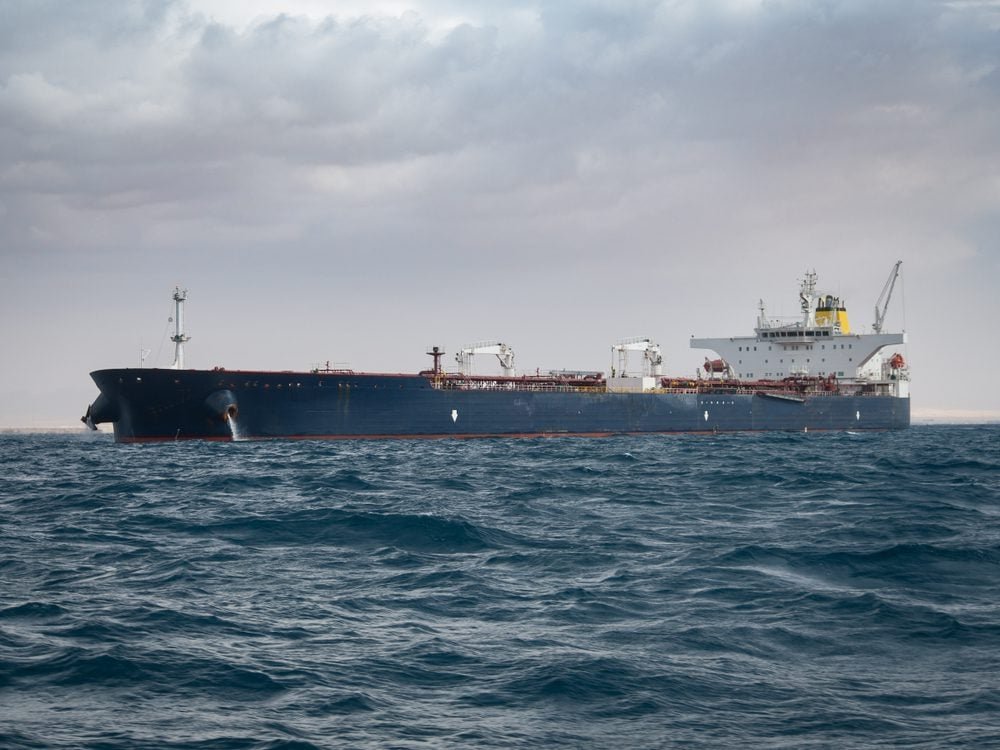
The Treasury Department announced sanctions against a network of companies and vessels involved in transporting Iranian oil. The measures aim to further restrict Tehran's revenue from petroleum exports.
Why this matters
Additional sanctions on Iranian shipping raise compliance costs for global energy traders and can influence U.S. fuel import prices over time.
Quick take
- Money Angle
- Sanctioned entities face frozen assets and restricted access to dollar clearing, increasing operational costs for any remaining Iranian crude shipments.
- Market Impact
- Iranian crude discounts may widen while compliant tanker operators see potential rate increases on alternative routes.
- Who Benefits
- Non-Iranian oil producers and compliant shipping companies gain market share as Iranian exports face added friction.
- Who Loses
- Iranian oil exporters and associated shipping operators lose access to buyers and financing channels.
- What to Watch Next
- Monitor the next OFAC enforcement action or Iranian oil export volume data for signs of further compliance tightening.
Perspectives on this story
AI-generated analytical lenses meant to encourage you to think across multiple frames. Not attributed to any individual; not presented as fact.
Household Impact
How this affects family budgets, jobs, and day-to-day life.
Reduced Iranian oil supply can contribute to higher global prices that eventually reach U.S. drivers at the pump.
America First View
How this lands for readers prioritizing American sovereignty, borders, and domestic industry.
Sanctions reinforce U.S. leverage over energy markets and limit revenue available to a regional adversary.
Institutional View
How established institutions -- agencies, courts, allied governments -- are likely to frame it.
Treasury will continue using existing sanctions authorities to target entities that facilitate Iranian petroleum exports.
Civil Liberties View
How this reads through the lens of constitutional rights, free speech, and due process.
No direct civil liberties implications for U.S. persons arise from these targeted foreign sanctions.
National Security View
How this matters for defense posture, intelligence, and adversary deterrence.
Constraining Iranian oil revenue reduces funding for proxy activities and supports broader regional deterrence goals.
Adversary View
How foreign rivals are likely to frame this story. Not presented as fact and does not reflect the views of AFBytes.
Iranian officials would describe the sanctions as illegal economic warfare intended to strangle the country's economy.
AFBytes analysis is AI-assisted and generated from source metadata, article summaries, and topic context. It is intended to help readers think through implications, not replace the original reporting from gcaptain.com. See our AI and Summary Disclosure for details.