China applies harsher punishments to fallen generals
AFBytes Brief
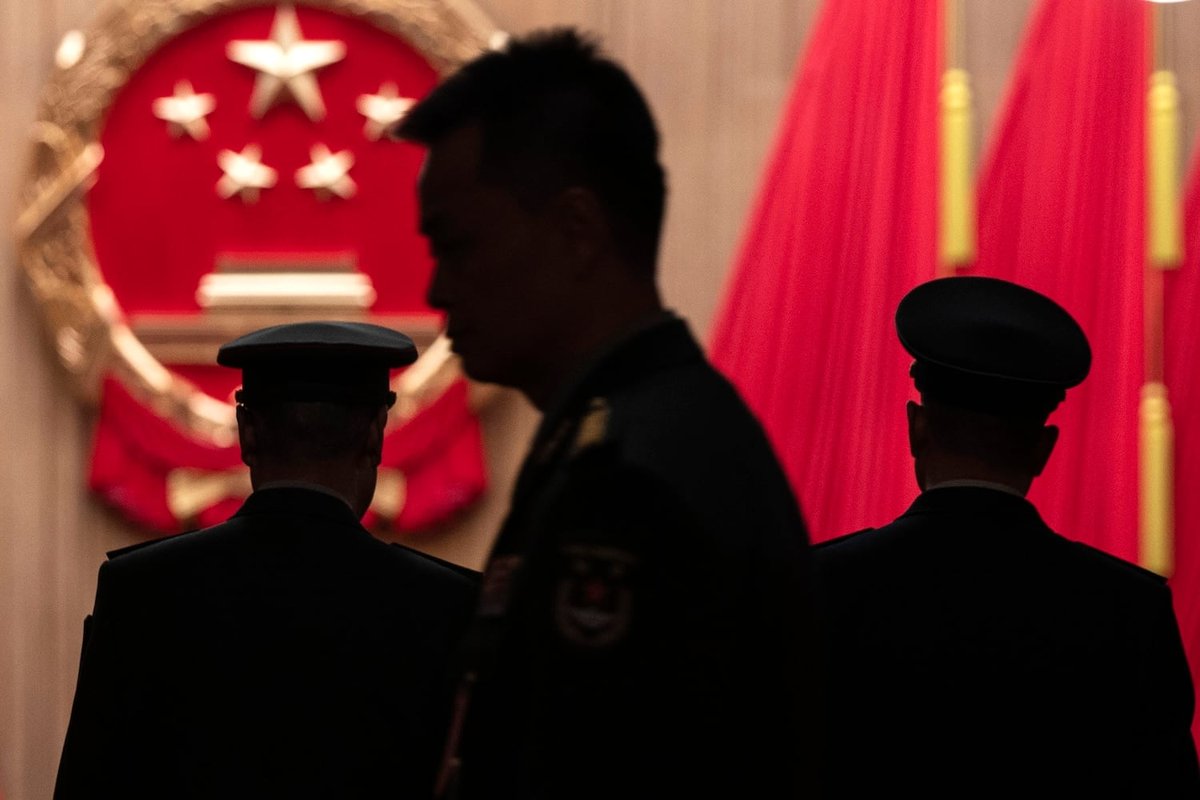
Chinese President Xi Jinping has increased the severity of punishments applied to generals removed in ongoing purges. The shift raises the baseline penalty for those targeted.
Why this matters
Internal military discipline in China influences leadership stability and foreign policy consistency.
Quick take
- What to Watch Next
- Observe personnel announcements from the Central Military Commission for further signals.
Perspectives on this story
AI-generated analytical lenses meant to encourage you to think across multiple frames. Not attributed to any individual; not presented as fact.
Household Impact
How this affects family budgets, jobs, and day-to-day life.
Leadership churn may indirectly affect trade policies that influence consumer goods prices.
America First View
How this lands for readers prioritizing American sovereignty, borders, and domestic industry.
Internal Chinese instability can reduce external assertiveness and create openings for U.S. diplomacy.
Institutional View
How established institutions -- agencies, courts, allied governments -- are likely to frame it.
Party and military institutions apply internal discipline mechanisms to maintain control.
Civil Liberties View
How this reads through the lens of constitutional rights, free speech, and due process.
Opaque purge processes limit transparency and due process for affected officers.
National Security View
How this matters for defense posture, intelligence, and adversary deterrence.
Purges reshape command structures and may alter operational readiness and doctrine.
AFBytes analysis is AI-assisted and generated from source metadata, article summaries, and topic context. It is intended to help readers think through implications, not replace the original reporting from foreignpolicy.com. See our AI and Summary Disclosure for details.