Israel conserved missiles while US depleted stocks in Iran war
AFBytes Brief
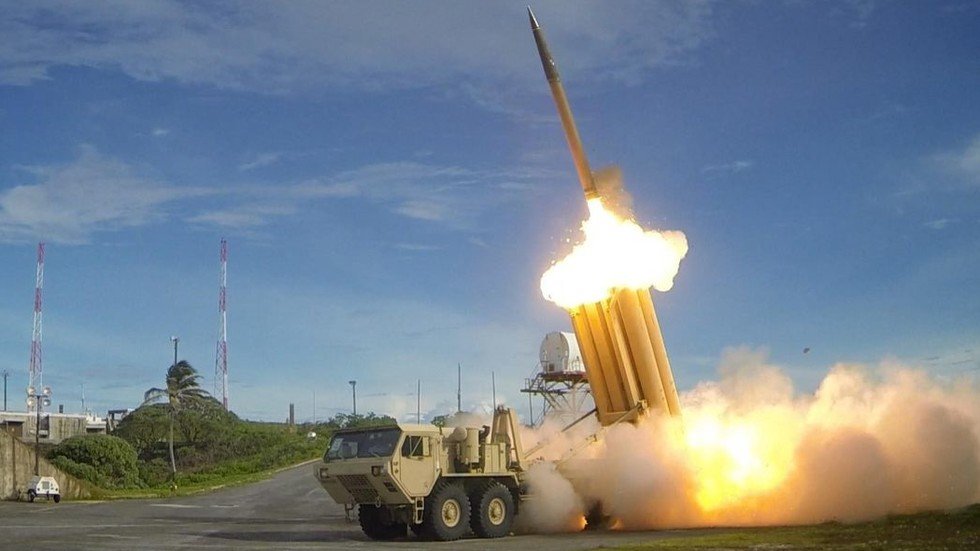
Israel reportedly conserved its air defense interceptors throughout the recent conflict with Iran. The United States expended substantial portions of its own advanced interceptor inventory during the same operations.
Why this matters
Depletion of U.S. missile stocks affects military readiness and future defense budgets that taxpayers ultimately fund. Stockpile management influences U.S. capacity to respond to multiple global contingencies simultaneously.
Quick take
- Money Angle
- Accelerated depletion of precision munitions increases near-term procurement spending and strains defense industrial base capacity.
- Market Impact
- Defense contractors focused on missile production may see accelerated contract awards and upward pressure on related equities.
- Who Benefits
- U.S. defense manufacturers gain from replenishment orders needed to restore depleted inventories.
- Who Loses
- U.S. taxpayers face higher future defense expenditures to restore strategic reserves.
- What to Watch Next
- Watch for Pentagon updates on munitions replenishment timelines and supplemental funding requests in congressional briefings.
Perspectives on this story
AI-generated analytical lenses meant to encourage you to think across multiple frames. Not attributed to any individual; not presented as fact.
Household Impact
How this affects family budgets, jobs, and day-to-day life.
Increased defense spending can contribute to larger federal deficits that eventually pressure tax policy or inflation.
America First View
How this lands for readers prioritizing American sovereignty, borders, and domestic industry.
Preserving domestic stockpiles strengthens U.S. self-reliance for independent military operations.
Institutional View
How established institutions -- agencies, courts, allied governments -- are likely to frame it.
Pentagon planners assess inventory levels through established readiness metrics and acquisition authorities.
Civil Liberties View
How this reads through the lens of constitutional rights, free speech, and due process.
Military procurement decisions operate under congressional oversight rather than direct privacy or speech concerns.
National Security View
How this matters for defense posture, intelligence, and adversary deterrence.
Stockpile drawdowns reduce surge capacity for simultaneous conflicts and affect deterrence calculations against adversaries.
AFBytes analysis is AI-assisted and generated from source metadata, article summaries, and topic context. It is intended to help readers think through implications, not replace the original reporting from rt.com. See our AI and Summary Disclosure for details.
Discussion on
Trending posts from X.
Exclusive: Amid hostilities with Iran, the American military expended far more advanced interceptors to protect Israel than Israeli forces did, according to Defense Department data. https://t.co/xsGtUtUZdP
— The Washington Post (@washingtonpost) May 21, 2026
The US has exhausted its missile interceptor stockpile, expending more on missile defense for Israel than Israel has for itself, despite being touted for its "Iron Dome" defense system.
— AF Post (@AFpost) May 22, 2026
The US has cannibalized global defense stockpiles, exposing Pacific allies while using twice… pic.twitter.com/2GiqLxxogL
SCOOP: The U.S. has depleted much of its inventory of advanced missile-defense interceptors after expending far more high-end munitions defending Israel than Israeli forces used themselves, per DOD assessments of Operation Epic Fury 🧵
— John Hudson (@John_Hudson) May 21, 2026
JUST IN: 🇺🇸🇮🇱 US lost half of its interceptor missiles defending Israel from Iran, The Telegraph reports.
— BRICS News (@BRICSinfo) May 21, 2026
BREAKING: US reportedly used half its missile stockpile defending Israel - as Israel conserved much of its own defensive arsenal
— Al Jazeera Breaking News (@AJENews) May 21, 2026
🔴 LIVE updates: https://t.co/L5EEeqtU4r pic.twitter.com/Lvj62pLc8U