Time Magazine Graham Platner cover draws online criticism
AFBytes Brief
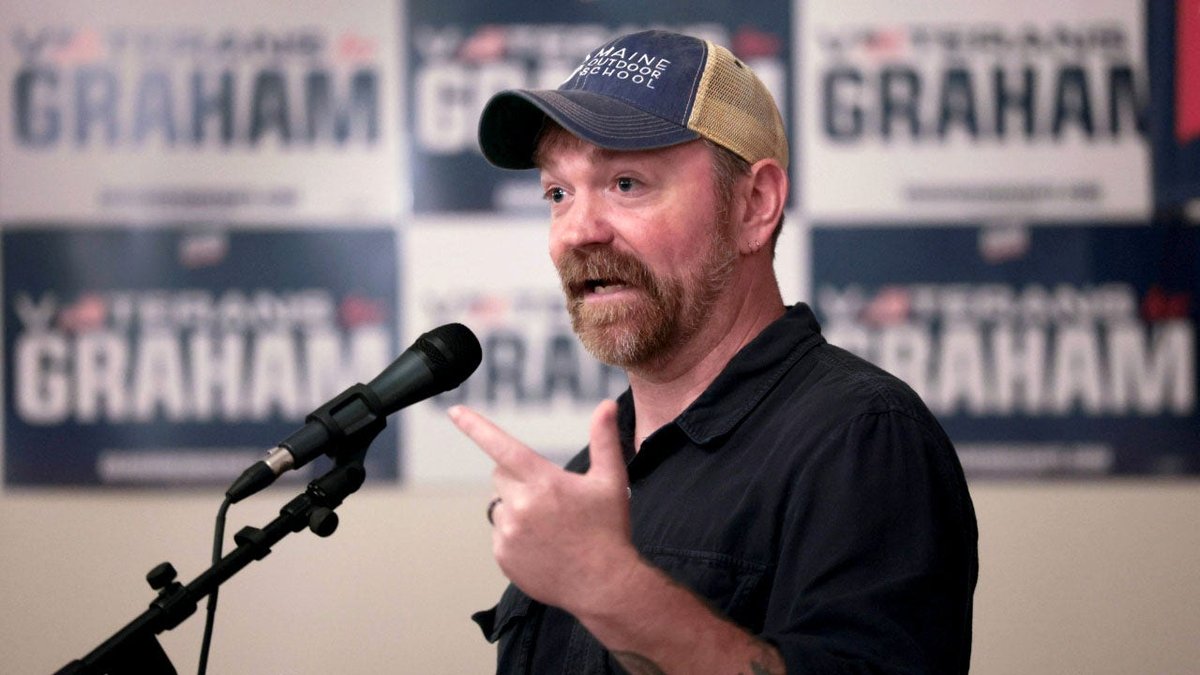
TIME Magazine placed Maine Democratic Senate candidate Graham Platner on its cover. The choice prompted online discussion because of prior reports detailing scandals including an alleged Nazi tattoo.
Why this matters
Voters in Maine and nationally watch how media outlets handle candidate backgrounds during Senate races. Coverage choices can shape perceptions of fitness for office and influence turnout in competitive districts.
Quick take
- What to Watch Next
- Watch for follow-up polling from Maine Senate race surveys that measure shifts in voter sentiment after the cover appears.
Perspectives on this story
AI-generated analytical lenses meant to encourage you to think across multiple frames. Not attributed to any individual; not presented as fact.
Household Impact
How this affects family budgets, jobs, and day-to-day life.
Senate races affect federal policies on taxes, healthcare costs, and retirement programs that directly touch household budgets.
America First View
How this lands for readers prioritizing American sovereignty, borders, and domestic industry.
Voters evaluate candidates on records that could influence border security, domestic manufacturing, and trade policy decisions.
Institutional View
How established institutions -- agencies, courts, allied governments -- are likely to frame it.
Media outlets apply editorial standards when selecting covers, weighing newsworthiness against potential reader reaction and precedent.
Civil Liberties View
How this reads through the lens of constitutional rights, free speech, and due process.
Public discussion of candidate histories tests the balance between press freedom and fair examination of past statements or symbols.
National Security View
How this matters for defense posture, intelligence, and adversary deterrence.
Senate members shape defense authorizations and intelligence oversight, making candidate fitness a factor in long-term security posture.
AFBytes analysis is AI-assisted and generated from source metadata, article summaries, and topic context. It is intended to help readers think through implications, not replace the original reporting from foxnews.com. See our AI and Summary Disclosure for details.