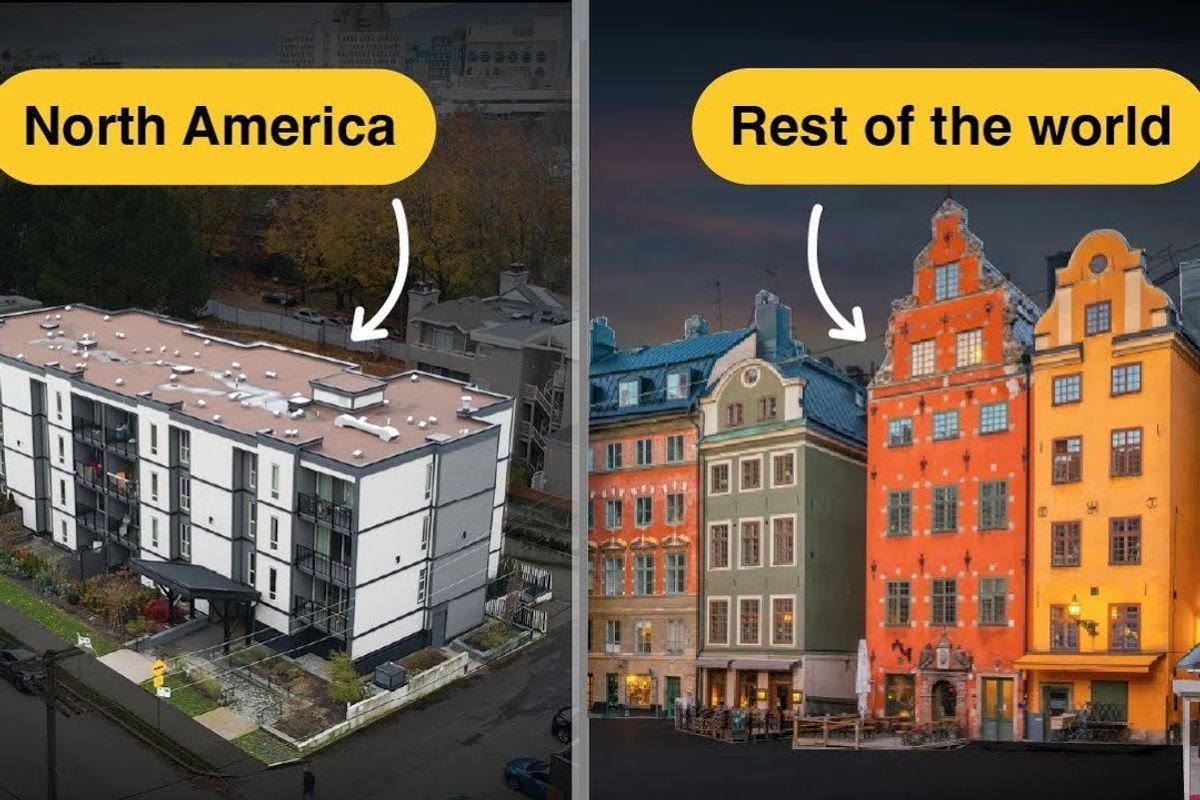
Why US Can't Build European Walk-Up Apartments
AFBytes Brief
A video explains regulatory hurdles preventing U.S. construction of European-style walk-up apartments. Local zoning and codes favor larger buildings over quaint designs. This stifles dense, affordable housing options.
Why this matters
Homebuyers and renters face higher housing costs due to restricted supply of affordable units. Mortgages stretch further without walkable, low-rise options. Urban families endure longer commutes and elevated living expenses.
Quick take
- Money Angle
- Zoning barriers limit housing supply, driving up rents and home prices nationwide.
- Market Impact
- Real estate developers avoid small projects; residential REITs benefit from scarcity.
- Who Benefits
- Existing homeowners gain from preserved property values via supply constraints.
- Who Loses
- Young renters and first-time buyers lose access to cheaper, walkable housing.
- What to Watch Next
- Track local zoning reform votes for signals on easing apartment construction rules.
Three takes on this
AI-generated framings meant to encourage you to think. Not attributed to any individual; not presented as fact.
Everyday American
Will this make day-to-day life better or worse for my family?
Families struggle with housing affordability as regulations block simple apartments. Commutes lengthen and rents rise without dense options. Daily life worsens from supply shortages.
MAGA Republicans
What this likely confirms or alarms in their worldview.
They blame overregulation for housing woes, pushing deregulation to unleash building. Local control emphasis fits community preservation views. Barriers seen as government overreach hurting workers.
Democrats
What this likely confirms or alarms in their worldview.
Reform needed to boost supply and cut costs, aligning with equity goals. They highlight systemic barriers to affordability. Reasoning focuses on policy fixes for working families.