Global peacekeeping deployments decline SIPRI report
AFBytes Brief
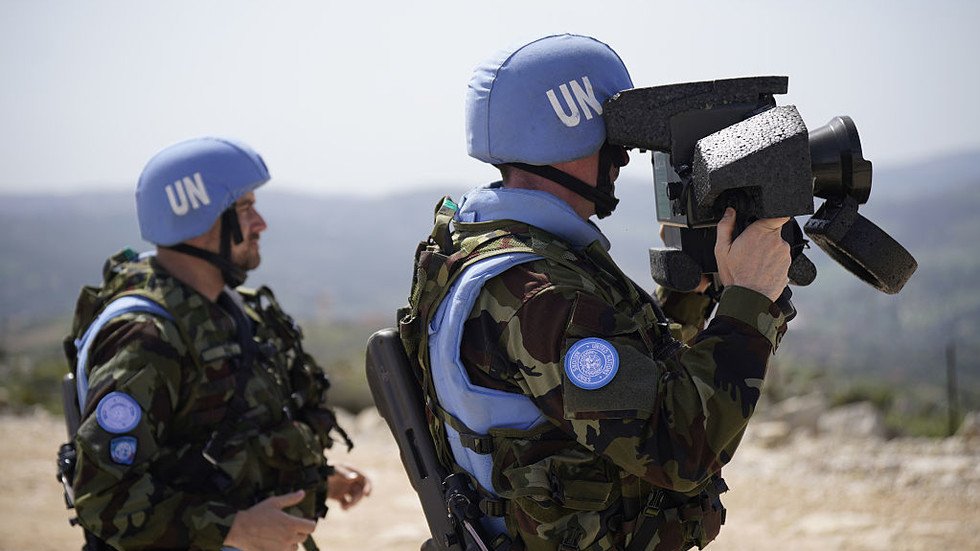
A new SIPRI report documents a decade-long decline in global peacekeeping personnel. The reduction raises concerns about early conflict prevention capacity. Analysts note growing gaps in monitoring and stabilization efforts.
Why this matters
Fewer peacekeepers increase the chance that regional conflicts escalate and affect trade routes or require later US or allied intervention.
Quick take
- Money Angle
- Reduced peacekeeping budgets free national defense funds but may shift costs to emergency response and reconstruction later.
- Market Impact
- No immediate public market reaction is expected, though defense and security firms could see marginal interest in stabilization contracts.
- Who Benefits
- National militaries retain more personnel for domestic priorities when international deployments shrink.
- Who Loses
- Civilian populations in fragile states lose an external stabilizing presence that previously limited violence.
- What to Watch Next
- Monitor the next UN Security Council session on peacekeeping mandates for any reversal signals.
Perspectives on this story
AI-generated analytical lenses meant to encourage you to think across multiple frames. Not attributed to any individual; not presented as fact.
Household Impact
How this affects family budgets, jobs, and day-to-day life.
Lower peacekeeping levels may indirectly affect global commodity prices and migration pressures that touch household budgets.
America First View
How this lands for readers prioritizing American sovereignty, borders, and domestic industry.
The trend underscores the limits of relying on multilateral forces and the need for stronger US border and trade security measures.
Institutional View
How established institutions -- agencies, courts, allied governments -- are likely to frame it.
UN and regional organizations cite statutory authority limits and member-state funding shortfalls as primary constraints.
Civil Liberties View
How this reads through the lens of constitutional rights, free speech, and due process.
Reduced external monitoring can weaken protections against abuses in conflict zones where due-process norms are already weak.
National Security View
How this matters for defense posture, intelligence, and adversary deterrence.
Declining deployments heighten risks to critical supply chains and increase the chance of sudden US force commitments.
AFBytes analysis is AI-assisted and generated from source metadata, article summaries, and topic context. It is intended to help readers think through implications, not replace the original reporting from rt.com. See our AI and Summary Disclosure for details.