Quasar Holds Largest Known Water Vapor Cloud
AFBytes Brief
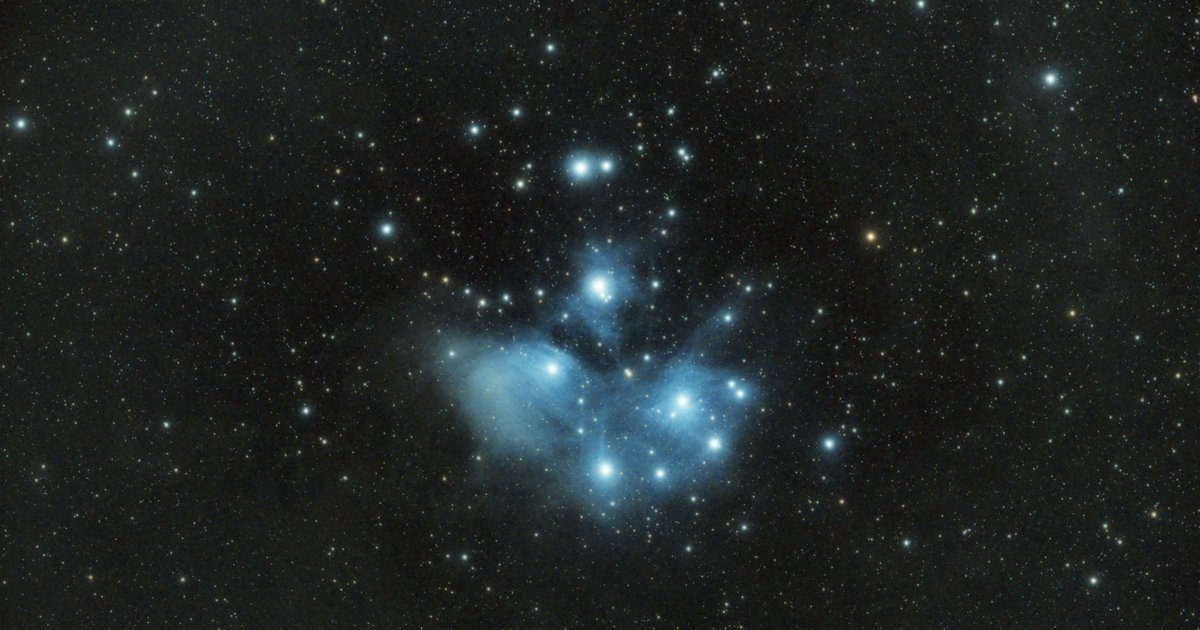
Two teams using ground-based telescopes identified an enormous water vapor cloud surrounding a distant quasar. The reservoir is estimated at 140 trillion times the water volume of Earth’s oceans. The finding was announced by NASA’s Jet Propulsion Laboratory in 2011.
Why this matters
The discovery expands understanding of cosmic water distribution but has no direct effect on household budgets, energy costs or U.S. policy.
Perspectives on this story
AI-generated analytical lenses meant to encourage you to think across multiple frames. Not attributed to any individual; not presented as fact.
Household Impact
How this affects family budgets, jobs, and day-to-day life.
The finding has no measurable effect on family budgets, jobs, housing costs or local services.
America First View
How this lands for readers prioritizing American sovereignty, borders, and domestic industry.
No direct implication for U.S. sovereignty, borders or domestic industry arises from this observation.
Institutional View
How established institutions -- agencies, courts, allied governments -- are likely to frame it.
Space agencies treat the detection as a routine extension of existing spectroscopic survey programs under established research mandates.
Civil Liberties View
How this reads through the lens of constitutional rights, free speech, and due process.
No constitutional rights or privacy principles are implicated by this astronomical data release.
National Security View
How this matters for defense posture, intelligence, and adversary deterrence.
The observation carries no consequence for defense posture, supply chains or critical infrastructure.
Adversary View
How foreign rivals are likely to frame this story. Not presented as fact and does not reflect the views of AFBytes.
No clear adversary framing applies to this story.
AFBytes analysis is AI-assisted and generated from source metadata, article summaries, and topic context. It is intended to help readers think through implications, not replace the original reporting from spacedaily.com. See our AI and Summary Disclosure for details.