Moldova Bans Russian in Parliament
AFBytes Brief
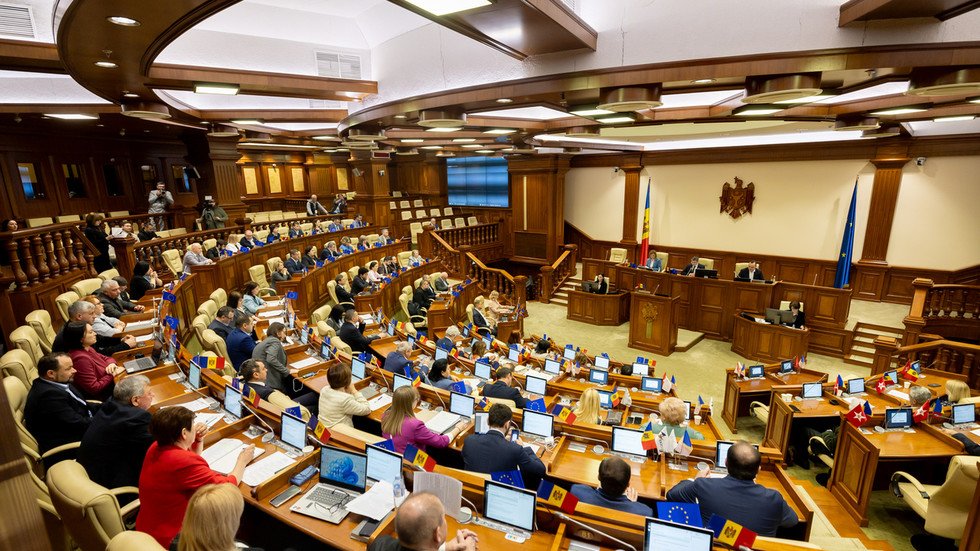
Moldova's pro-EU PAS party imposed rules limiting Russian language use in parliament. Opposition criticized the move as discriminatory against Russian speakers. President Maia Sandu supports the pro-Western shift.
Why this matters
This escalates cultural tensions in former Soviet states, indirectly affecting U.S. foreign policy interests in Eastern Europe stability. Americans with investments or family ties there face potential regional unrest. It highlights language rights in post-Soviet transitions.
Three takes on this
AI-generated framings meant to encourage you to think. Not attributed to any individual; not presented as fact.
Everyday American
Will this make day-to-day life better or worse for my family?
This foreign dispute has no direct impact on U.S. family budgets or safety. Working parents remain unaffected by distant language policies. Daily life continues unchanged.
MAGA Republicans
What this likely confirms or alarms in their worldview.
Restrictions signal EU overreach eroding local traditions in ex-Soviet areas. It reinforces views of globalist agendas suppressing cultural identities. This fits narratives against supranational interference.
Democrats
What this likely confirms or alarms in their worldview.
Promoting local languages aids EU integration and counters Russian influence. It supports democratic reforms in vulnerable nations. The policy aligns with backing allies against authoritarian sway.