Netanyahu Rivals Form Alliance to Oust Him
AFBytes Brief
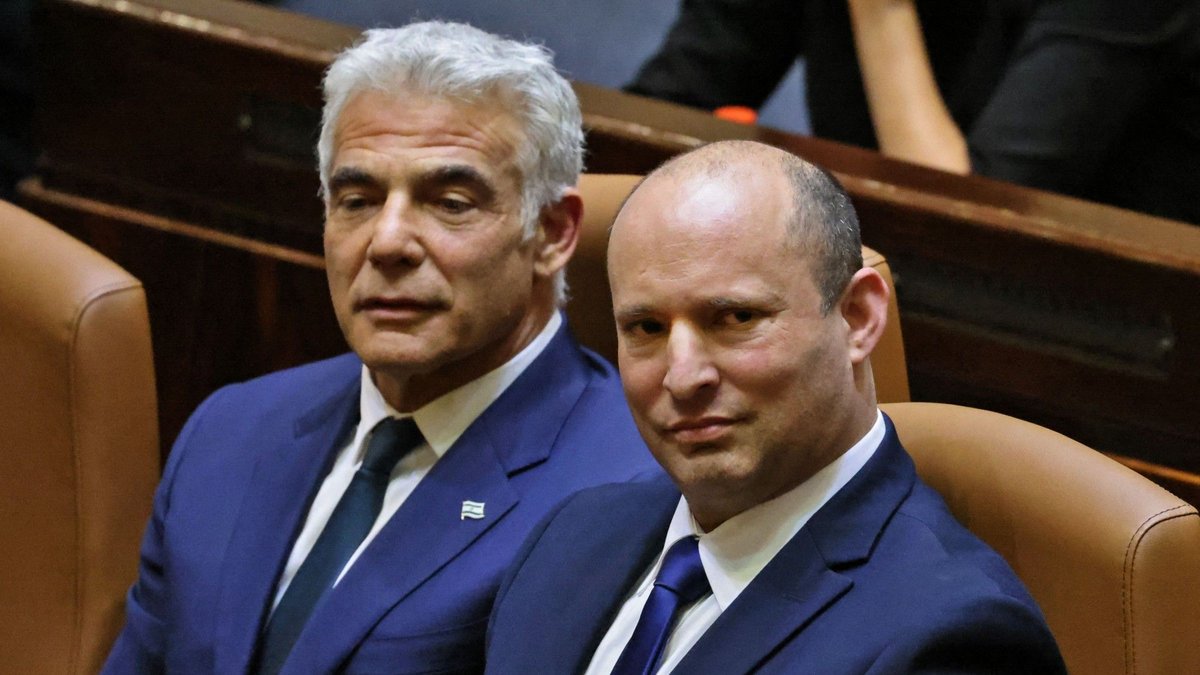
Opponents of Benjamin Netanyahu have formed an unusual alliance in Israel. The coalition aims to challenge the long-serving prime minister politically. This development seeks to consolidate opposition forces against his leadership.
Why this matters
Shifts in Israeli leadership influence U.S. foreign policy, potentially affecting military aid and Middle East trade routes that impact energy prices for drivers. American voters with stakes in regional stability face indirect effects on taxes funding alliances. It ties into broader civil liberties debates over governance in allied nations.
Quick take
- Who Loses
- Benjamin Netanyahu and his supporters lose ground from the unified opposition push.
- What to Watch Next
- Watch for Israeli parliamentary votes or coalition announcements to see if the alliance gains formal traction.
Three takes on this
AI-generated framings meant to encourage you to think. Not attributed to any individual; not presented as fact.
Everyday American
Will this make day-to-day life better or worse for my family?
This internal shift holds little direct sway over daily U.S. life but could alter foreign aid spending from taxes. Families see minimal routine impact beyond vague Middle East stability concerns. It remains distant from local costs or jobs.
MAGA Republicans
What this likely confirms or alarms in their worldview.
They back strong Netanyahu leadership for Israel-U.S. alliance strength against shared threats. The rivals' unity raises alarms over weakening a key partner. It fits narratives of elite coalitions undermining proven leaders.
Democrats
What this likely confirms or alarms in their worldview.
They see potential for more moderate Israeli policies aligning with U.S. diplomatic goals. The alliance offers hope for governance changes post-conflict. Emphasis lies on accountability in long-term leadership.