Van Hollen says Netanyahu saw Trump as easy to pull into Iran conflict
AFBytes Brief
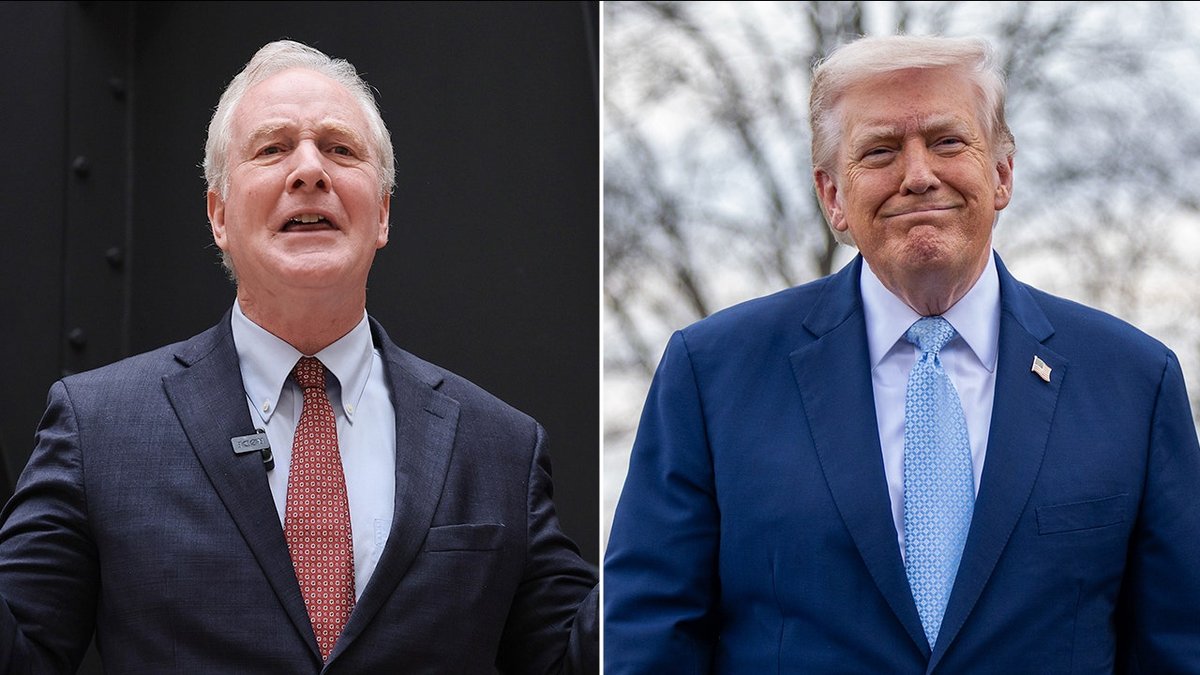
Senator Chris Van Hollen stated that Israeli Prime Minister Benjamin Netanyahu viewed President Trump as susceptible to being drawn into war with Iran. He called for an immediate policy shift.
Why this matters
Accusations about how the United States entered conflict with Iran can shape future congressional oversight of military commitments and foreign aid.
Quick take
- Money Angle
- Extended U.S. military involvement abroad can increase defense spending and affect federal budget priorities.
- Market Impact
- Defense contractors may see contract opportunities rise while energy markets price in potential supply disruptions.
- Who Benefits
- Advocates for restrained U.S. engagement overseas gain rhetorical ammunition for legislative pushback.
- Who Loses
- Supporters of close U.S.-Israel security coordination face heightened scrutiny over influence dynamics.
- What to Watch Next
- Track upcoming Senate hearings or votes on Iran-related sanctions and military authorization measures.
Perspectives on this story
AI-generated analytical lenses meant to encourage you to think across multiple frames. Not attributed to any individual; not presented as fact.
Household Impact
How this affects family budgets, jobs, and day-to-day life.
Sustained military operations can raise taxes or shift spending away from domestic programs that affect household budgets.
America First View
How this lands for readers prioritizing American sovereignty, borders, and domestic industry.
Questions about foreign entanglements reinforce calls for prioritizing U.S. border security and domestic manufacturing.
Institutional View
How established institutions -- agencies, courts, allied governments -- are likely to frame it.
Congress retains authority under the War Powers Resolution to review and constrain executive military actions.
Civil Liberties View
How this reads through the lens of constitutional rights, free speech, and due process.
Debates over war entry test separation of powers and legislative checks on executive foreign policy decisions.
National Security View
How this matters for defense posture, intelligence, and adversary deterrence.
U.S. posture toward Iran directly influences alliance management and deterrence credibility in the Middle East.
AFBytes analysis is AI-assisted and generated from source metadata, article summaries, and topic context. It is intended to help readers think through implications, not replace the original reporting from foxnews.com. See our AI and Summary Disclosure for details.