UN Security Council extends South Sudan sanctions one year
AFBytes Brief
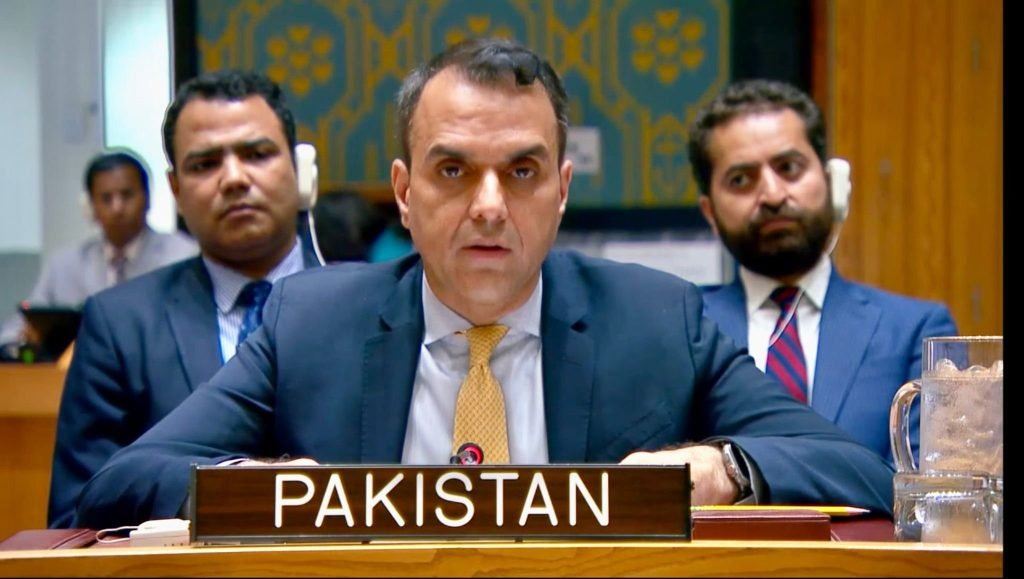
The Security Council voted to keep asset freezes and travel bans on South Sudan for twelve more months. Pakistan chose to abstain.
Why this matters
Continued sanctions maintain pressure on conflict parties and may influence regional stability and humanitarian aid flows.
Quick take
- What to Watch Next
- Monitor the next scheduled UNSC review of South Sudan measures for any policy shift.
Perspectives on this story
AI-generated analytical lenses meant to encourage you to think across multiple frames. Not attributed to any individual; not presented as fact.
Household Impact
How this affects family budgets, jobs, and day-to-day life.
Ongoing sanctions can affect aid delivery and local economic conditions in South Sudan.
America First View
How this lands for readers prioritizing American sovereignty, borders, and domestic industry.
The measure supports multilateral pressure on conflict actors without direct U.S. troop involvement.
Institutional View
How established institutions -- agencies, courts, allied governments -- are likely to frame it.
The Security Council acted under its existing Chapter VII authority to address threats to peace.
Civil Liberties View
How this reads through the lens of constitutional rights, free speech, and due process.
Targeted sanctions raise questions about due process for listed individuals.
National Security View
How this matters for defense posture, intelligence, and adversary deterrence.
The extension aims to limit resources available to armed groups and promote stability.
Adversary View
How foreign rivals are likely to frame this story. Not presented as fact and does not reflect the views of AFBytes.
No clear adversary framing applies to this story.
AFBytes analysis is AI-assisted and generated from source metadata, article summaries, and topic context. It is intended to help readers think through implications, not replace the original reporting from app.com.pk. See our AI and Summary Disclosure for details.