acoustic detection hidden tunnels ornl research
AFBytes Brief
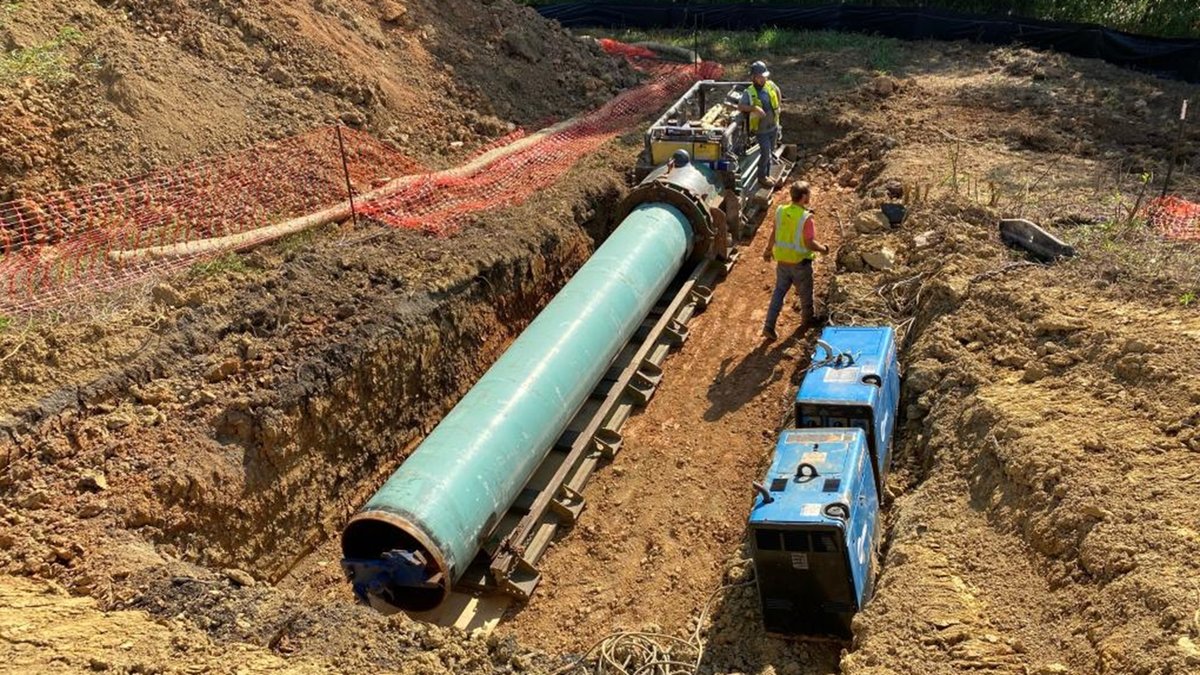
Researchers at Oak Ridge National Laboratory developed an acoustic technique that sends sound waves upward from below to reveal hidden tunnels. The method aims to detect underground voids without surface disruption.
Why this matters
Improved subsurface mapping supports infrastructure safety inspections and can reduce costs for transportation and utility projects.
Quick take
- What to Watch Next
- Observe peer-reviewed publication or follow-on government testing announcements for validation of field performance.
Perspectives on this story
AI-generated analytical lenses meant to encourage you to think across multiple frames. Not attributed to any individual; not presented as fact.
Household Impact
How this affects family budgets, jobs, and day-to-day life.
Better tunnel detection can lower risks to roads, pipelines, and buildings that affect daily commuting and utility reliability.
America First View
How this lands for readers prioritizing American sovereignty, borders, and domestic industry.
Domestic development of detection tools strengthens U.S. technological self-reliance in infrastructure assessment.
Institutional View
How established institutions -- agencies, courts, allied governments -- are likely to frame it.
National laboratories conduct applied research under existing federal science mandates that prioritize non-invasive inspection methods.
Civil Liberties View
How this reads through the lens of constitutional rights, free speech, and due process.
No civil-liberties concerns attach to geophysical sensing techniques used for infrastructure mapping.
National Security View
How this matters for defense posture, intelligence, and adversary deterrence.
The technology can aid detection of unauthorized subsurface structures near critical infrastructure or borders.
Adversary View
How foreign rivals are likely to frame this story. Not presented as fact and does not reflect the views of AFBytes.
No clear adversary framing applies to this story.
AFBytes analysis is AI-assisted and generated from source metadata, article summaries, and topic context. It is intended to help readers think through implications, not replace the original reporting from interestingengineering.com. See our AI and Summary Disclosure for details.