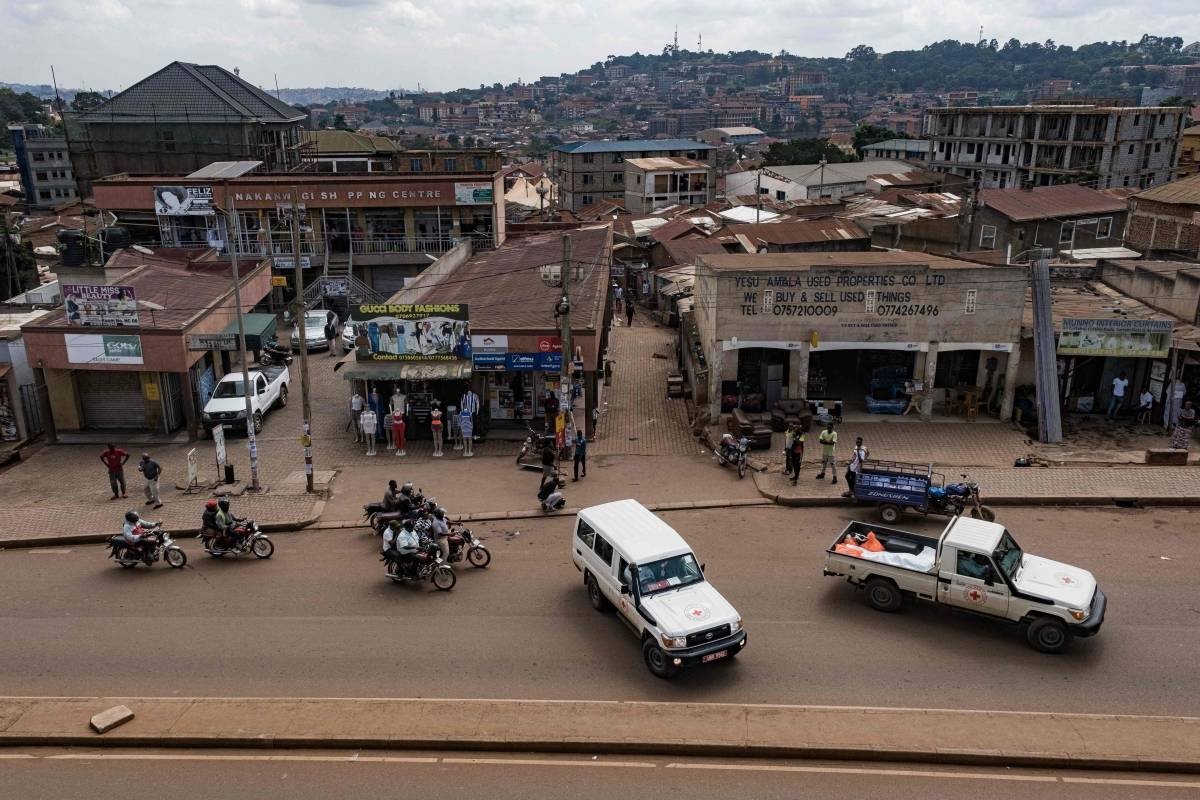
Uganda closes Congo border over Ebola surge
AFBytes Brief
Uganda ordered closure of its border with Congo after suspected cases of a rare Ebola variant increased. Health authorities are monitoring additional infections in the region. The action aims to limit further spread of the virus.
Why this matters
Cross-border disease containment in central Africa can affect global health supply chains and influence U.S. decisions on vaccine stockpiles and travel advisories.
Quick take
- Money Angle
- Outbreaks can increase demand for vaccines, protective equipment, and logistics services supplied by U.S. firms.
- Market Impact
- Pharmaceutical and medical supply companies may see short-term order increases if international assistance expands.
- Who Benefits
- Vaccine manufacturers with approved Ebola countermeasures stand to receive additional procurement orders.
- Who Loses
- Regional trade and cross-border commerce operators face revenue losses from movement restrictions.
- What to Watch Next
- Watch World Health Organization situation reports for confirmation of strain type and case trajectory.
Perspectives on this story
AI-generated analytical lenses meant to encourage you to think across multiple frames. Not attributed to any individual; not presented as fact.
Household Impact
How this affects family budgets, jobs, and day-to-day life.
Global health emergencies can raise insurance premiums and affect availability of certain medical products.
America First View
How this lands for readers prioritizing American sovereignty, borders, and domestic industry.
Rapid containment reduces the risk of imported cases reaching U.S. ports of entry.
Institutional View
How established institutions -- agencies, courts, allied governments -- are likely to frame it.
Public health agencies would apply existing international health regulations and bilateral assistance frameworks.
Civil Liberties View
How this reads through the lens of constitutional rights, free speech, and due process.
Border closures raise questions about freedom of movement balanced against public health powers.
National Security View
How this matters for defense posture, intelligence, and adversary deterrence.
Disease surveillance and rapid response capacity form part of critical infrastructure protection against biological threats.
Adversary View
How foreign rivals are likely to frame this story. Not presented as fact and does not reflect the views of AFBytes.
No clear adversary framing applies to this story.
AFBytes analysis is AI-assisted and generated from source metadata, article summaries, and topic context. It is intended to help readers think through implications, not replace the original reporting from manilatimes.net. See our AI and Summary Disclosure for details.