Iran Missile Sites Threaten US Warships in Hormuz
AFBytes Brief
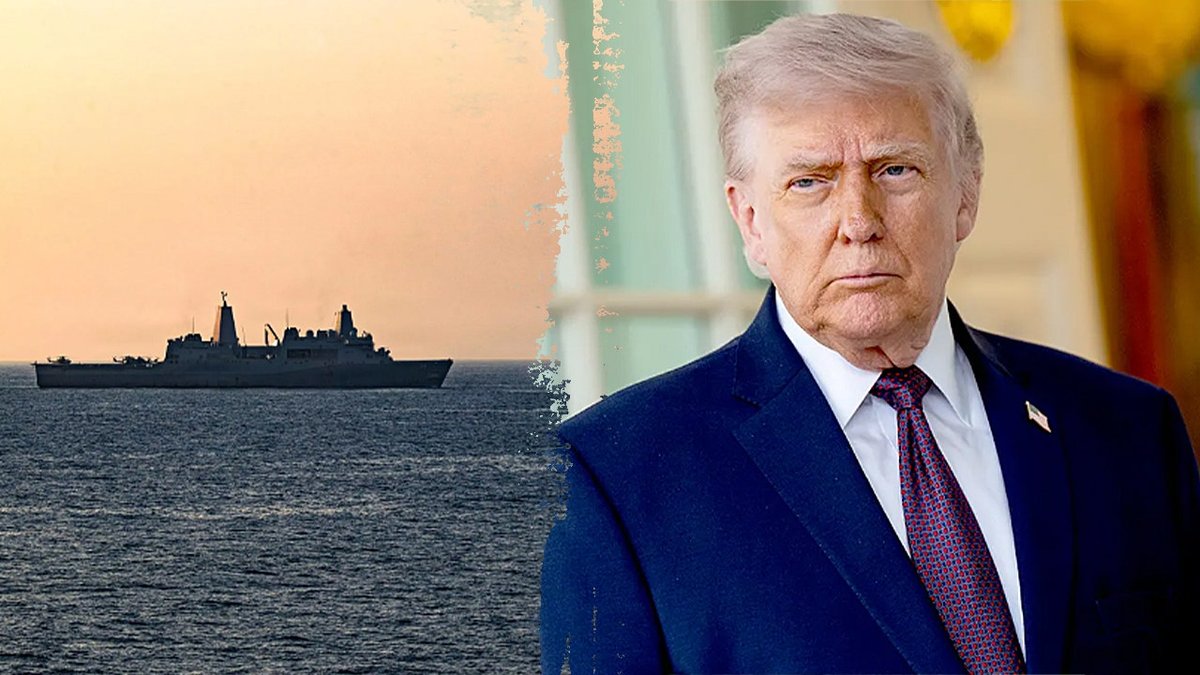
U.S. intelligence reports indicate Iran has regained access to 30 of 33 missile sites near the Strait of Hormuz. This development threatens American warships and global oil shipments. Commentary urges President Trump to decisively end the conflict with Iran.
Why this matters
Missile threats to the Strait of Hormuz endanger oil tanker traffic, spiking energy bills for American drivers and households. U.S. naval presence risks troop involvement in escalation. Secure passage supports stable food and goods prices tied to shipping.
Quick take
- Money Angle
- Oil prices fluctuate with Hormuz risks, exposing household budgets to higher fuel and transport costs.
- Market Impact
- Crude oil futures and energy stocks like XOM could surge on perceived threats to 20% of global supply.
- Who Benefits
- U.S. shale producers gain from elevated oil prices amid Iranian threats.
- Who Loses
- Iranian oil exports suffer under intensified U.S. pressure and site vulnerabilities.
- What to Watch Next
- Upcoming U.S. intelligence updates on Iranian missile capabilities will gauge escalation risks for Hormuz shipping.
Three takes on this
AI-generated framings meant to encourage you to think. Not attributed to any individual; not presented as fact.
Everyday American
Will this make day-to-day life better or worse for my family?
Threats raise gas prices at pumps, hitting family travel budgets. It endangers sailors' lives protecting trade routes. Resolution stabilizes energy costs long-term.
MAGA Republicans
What this likely confirms or alarms in their worldview.
They advocate finishing the fight to neutralize Iran permanently, aligning with strong defense posture. This prevents future attacks on U.S. assets. It fulfills promises of no more weak deals.
Democrats
What this likely confirms or alarms in their worldview.
They prioritize diplomacy to de-escalate and avoid war costs, seeing missile rebuilds as negotiation leverage. This reflects caution against endless Middle East conflicts. It protects taxpayer funds.