US hunger levels exceed pandemic peak
AFBytes Brief
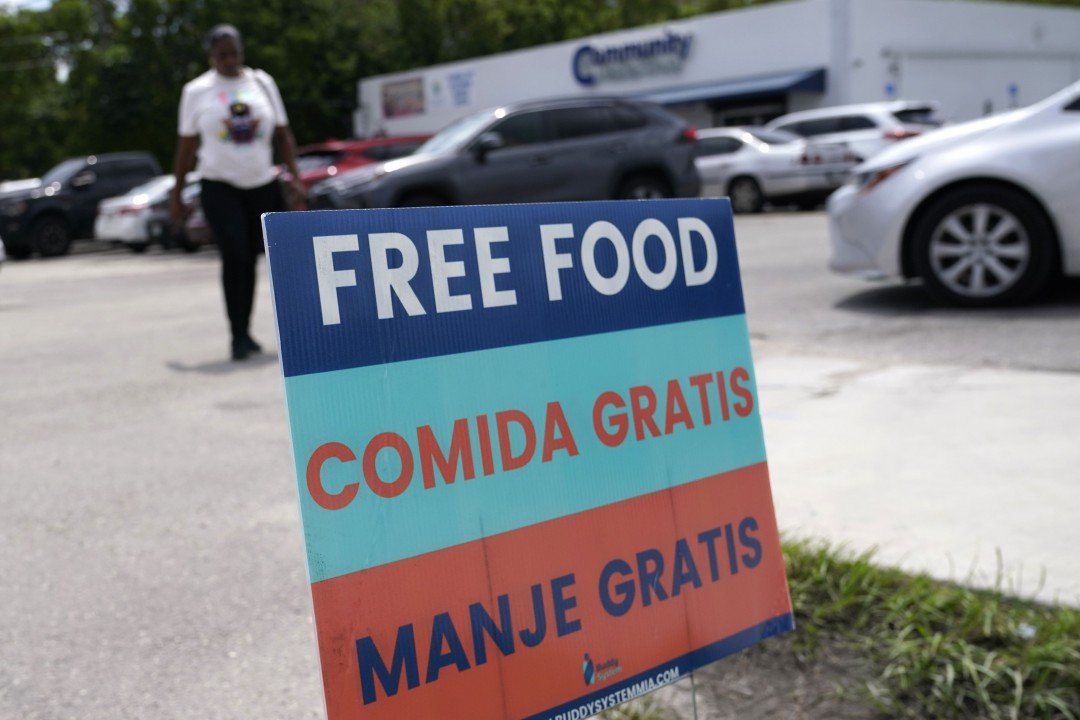
A new survey from the Federal Reserve Bank of New York shows U.S. hunger metrics have surpassed levels recorded at the peak of pandemic shutdowns. Many households report skipping meals despite broader employment recovery.
Why this matters
Rising food insecurity directly raises pressure on household food budgets and can increase demand for public assistance programs funded by taxpayers.
Quick take
- Money Angle
- Elevated food insecurity can shift household spending away from other categories and increase reliance on assistance programs.
- Market Impact
- Grocery and discount food retailers may see sustained demand while broader consumer staples face mixed effects.
- Who Benefits
- Food assistance providers and discount grocers may record higher volumes.
- Who Loses
- Lower-income households absorb higher effective costs when meals are skipped or substituted.
- What to Watch Next
- Track the next Federal Reserve regional survey releases for updated household spending data.
Perspectives on this story
AI-generated analytical lenses meant to encourage you to think across multiple frames. Not attributed to any individual; not presented as fact.
Household Impact
How this affects family budgets, jobs, and day-to-day life.
More families face difficult choices between food and other essential expenses such as housing or utilities.
America First View
How this lands for readers prioritizing American sovereignty, borders, and domestic industry.
Persistent domestic food insecurity underscores the importance of strengthening U.S. agricultural self-sufficiency.
Institutional View
How established institutions -- agencies, courts, allied governments -- are likely to frame it.
Federal agencies monitor survey data to calibrate nutrition assistance eligibility and funding formulas.
Civil Liberties View
How this reads through the lens of constitutional rights, free speech, and due process.
Access to adequate nutrition intersects with equal-protection considerations for vulnerable populations.
National Security View
How this matters for defense posture, intelligence, and adversary deterrence.
Widespread food insecurity can affect workforce readiness and social stability over the long term.
Adversary View
How foreign rivals are likely to frame this story. Not presented as fact and does not reflect the views of AFBytes.
Rival states may cite U.S. domestic hardship statistics to question American economic resilience.
AFBytes analysis is AI-assisted and generated from source metadata, article summaries, and topic context. It is intended to help readers think through implications, not replace the original reporting from newser.com. See our AI and Summary Disclosure for details.