Rubio: US Pushes China on Iran Role Pre-Trump-Xi
AFBytes Brief
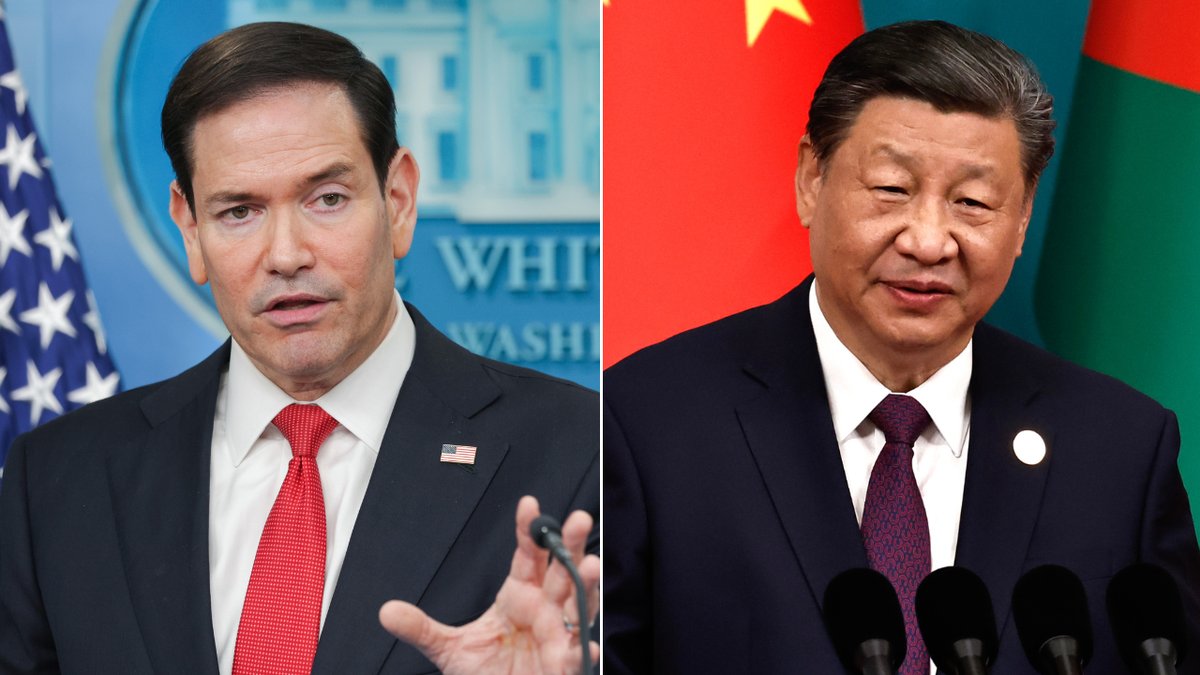
Marco Rubio indicates the U.S. plans to urge China to engage more actively in Iran talks before a Trump-Xi summit. The goal involves persuading Beijing to influence Tehran away from Persian Gulf provocations. This diplomatic push occurs amid ongoing regional tensions.
Why this matters
U.S. foreign policy on Iran affects energy prices and potential military engagements that draw in American troops. Involving China could alter trade dynamics and oil flows critical to household fuel costs. Voters concerned with Middle East stability track how this influences national security spending.
Quick take
- Money Angle
- Diplomatic shifts could stabilize oil supply chains, impacting U.S. household energy bills through Persian Gulf routes.
- Market Impact
- Oil futures and energy sector stocks like XOM could rise if negotiations reduce Gulf tensions.
- Who Benefits
- U.S. diplomats gain leverage if China cooperates, easing pressure on American foreign policy resources.
- Who Loses
- Iran hardliners lose influence if Beijing pressures Tehran toward de-escalation.
- What to Watch Next
- Watch the Trump-Xi summit outcomes for signals on China's Iran stance and potential Gulf de-escalation.
Three takes on this
AI-generated framings meant to encourage you to think. Not attributed to any individual; not presented as fact.
Everyday American
Will this make day-to-day life better or worse for my family?
Families worry about gas prices tied to Gulf stability, so successful talks could lower fuel costs. This might reduce risks of broader conflicts affecting jobs in energy sectors. Daily life improves with fewer disruptions to global trade routes.
MAGA Republicans
What this likely confirms or alarms in their worldview.
They emphasize strong-arming China into responsibility on Iran as smart leverage. This fits a narrative of using summits to extract concessions from adversaries. It affirms America First diplomacy pressuring rivals effectively.
Democrats
What this likely confirms or alarms in their worldview.
They see value in multilateral engagement with China on Iran to avoid escalation. This aligns with preferences for diplomacy over confrontation in complex regions. It supports broader goals of great-power cooperation on security.