Germany Merz Criticizes Slovak PM Fico Moscow Trip
AFBytes Brief
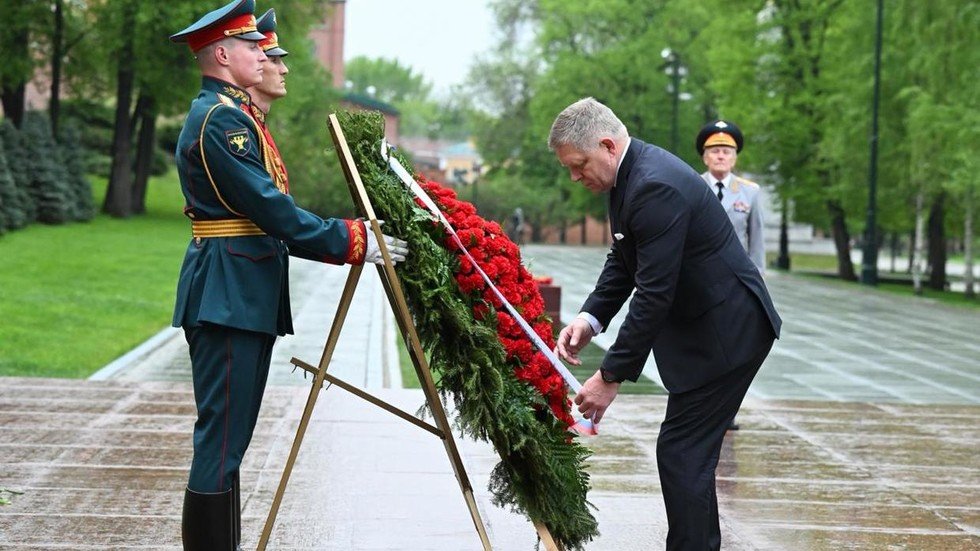
German opposition leader Friedrich Merz criticized Slovak Prime Minister Robert Fico for attending Moscow's Victory Day celebrations. Merz argued the trip undermines the European Union's unified stance on Russia. The remarks highlight ongoing divisions within Europe over relations with Moscow.
Why this matters
EU disunity on Russia policy complicates U.S. foreign policy efforts in supporting Ukraine aid and NATO cohesion. Americans face indirect effects through potential shifts in European defense spending that influence U.S. troop commitments and trade dynamics. Weaker EU resolve could increase pressure on U.S. budgets for military assistance.
Three takes on this
AI-generated framings meant to encourage you to think. Not attributed to any individual; not presented as fact.
Everyday American
Will this make day-to-day life better or worse for my family?
This development has minimal direct impact on daily family life in the U.S. Working families see no change in costs, jobs, or neighborhood safety from European diplomatic spats. The story registers as distant foreign news without practical stakes for most households.
MAGA Republicans
What this likely confirms or alarms in their worldview.
MAGA-aligned readers view Fico's Moscow trip as a pragmatic rejection of EU overreach and neoconservative warmongering. They emphasize skepticism toward blanket anti-Russia policies that escalate global tensions and drain U.S. resources. This fits their preference for nationalist leaders prioritizing sovereignty over supranational unity.
Democrats
What this likely confirms or alarms in their worldview.
Democratic-leaning readers interpret Merz's criticism as essential for maintaining EU solidarity against Russian aggression. They stress the need for collective Western resolve to deter threats that could draw in U.S. forces. The episode reinforces their support for alliances upholding democratic norms over authoritarian engagement.