iran strait of hormuz undersea cables internet
AFBytes Brief
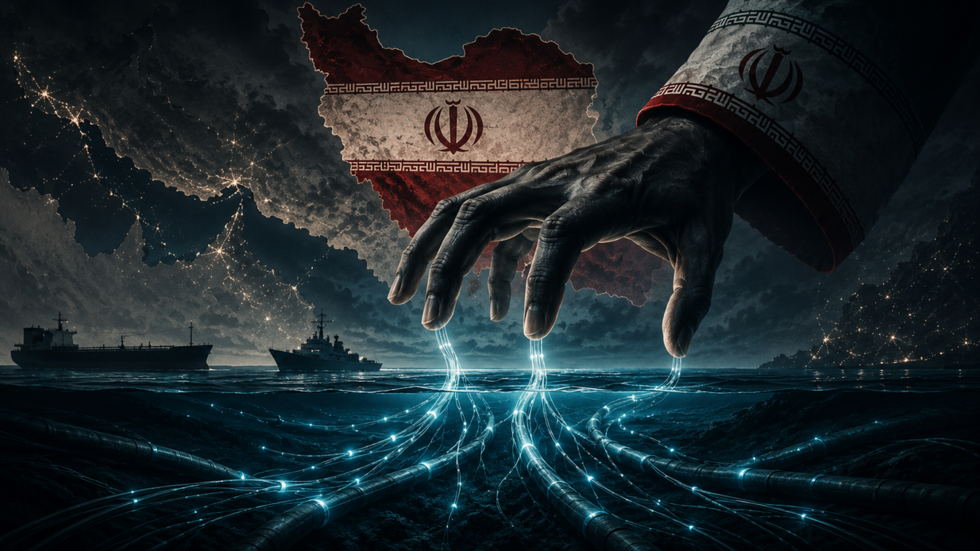
Iran is considering measures to tax or regulate undersea internet cables passing through the Strait of Hormuz. The move frames digital infrastructure as a potential pressure point in international disputes.
Why this matters
Disruption of undersea cables in the Strait of Hormuz could affect global internet routing and data traffic that supports U.S. commerce and communications.
Quick take
- Money Angle
- Telecom and data providers face added cost and routing risk if new fees or restrictions are imposed on key maritime chokepoints.
- Market Impact
- Network equipment suppliers and cloud service providers could see volatility if alternative cable routes become necessary.
- Who Benefits
- Countries and carriers that already route traffic around the Strait of Hormuz gain relative resilience.
- Who Loses
- Operators dependent on the shortest routes through the Strait face higher potential transit costs.
- What to Watch Next
- Track any official Iranian statements or regulatory filings concerning cable licensing or taxation.
Perspectives on this story
AI-generated analytical lenses meant to encourage you to think across multiple frames. Not attributed to any individual; not presented as fact.
Household Impact
How this affects family budgets, jobs, and day-to-day life.
Widespread internet slowdowns could raise costs for streaming, remote work, and online services used by U.S. households.
America First View
How this lands for readers prioritizing American sovereignty, borders, and domestic industry.
U.S. reliance on foreign-controlled maritime routes for data traffic creates leverage points for adversaries.
Institutional View
How established institutions -- agencies, courts, allied governments -- are likely to frame it.
International bodies and coastal states would evaluate any new fees under existing law of the sea frameworks.
Civil Liberties View
How this reads through the lens of constitutional rights, free speech, and due process.
Government control over cable routes can affect access to information and cross-border communication.
National Security View
How this matters for defense posture, intelligence, and adversary deterrence.
Undersea cables form part of critical communications infrastructure whose security affects military and intelligence connectivity.
AFBytes analysis is AI-assisted and generated from source metadata, article summaries, and topic context. It is intended to help readers think through implications, not replace the original reporting from rt.com. See our AI and Summary Disclosure for details.