Washington engagement with Turkic states
AFBytes Brief
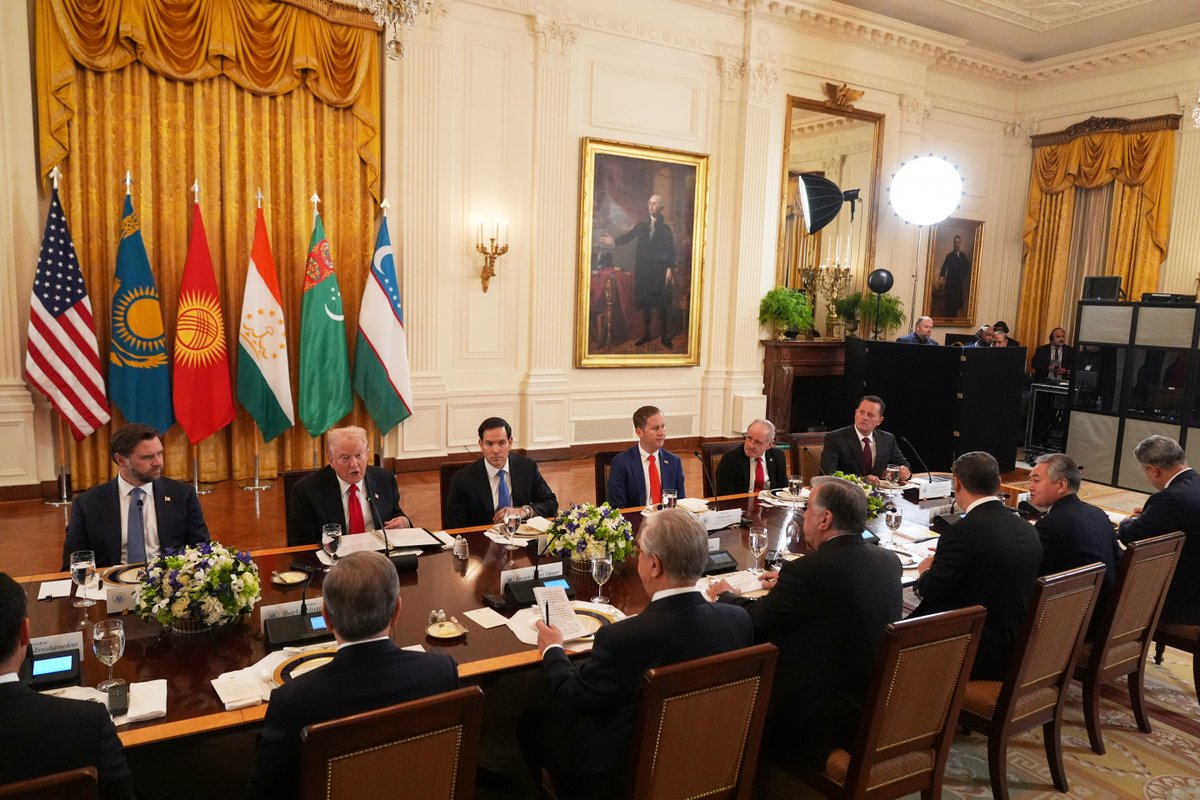
A meeting in a historic Central Asian city drew limited attention in Washington despite its location along ancient trade routes. The event underscores growing regional cooperation among Turkic-speaking nations.
Why this matters
U.S. engagement with Turkic states affects trade routes and energy supply chains that influence global commodity prices. Stronger ties can support American efforts to diversify away from single-source suppliers.
Quick take
- Money Angle
- Regional infrastructure projects tied to these states can shift capital flows in energy and transport sectors.
- Market Impact
- Energy and logistics sectors may see modest positioning changes if U.S. policy signals increase.
- Who Benefits
- U.S. firms in energy and infrastructure gain from expanded access to new markets.
- Who Loses
- Competing powers lose relative influence when U.S. commercial ties deepen.
- What to Watch Next
- Watch for State Department statements or congressional hearings on Central Asia funding bills.
Perspectives on this story
AI-generated analytical lenses meant to encourage you to think across multiple frames. Not attributed to any individual; not presented as fact.
Household Impact
How this affects family budgets, jobs, and day-to-day life.
Diversified energy supplies can moderate long-term fuel and electricity costs for American households.
America First View
How this lands for readers prioritizing American sovereignty, borders, and domestic industry.
Closer ties promote U.S. leverage in trade corridors and reduce dependence on adversarial supply chains.
Institutional View
How established institutions -- agencies, courts, allied governments -- are likely to frame it.
Agencies view expanded engagement as consistent with statutes authorizing regional economic and security assistance.
Civil Liberties View
How this reads through the lens of constitutional rights, free speech, and due process.
No direct constitutional rights issue arises from standard diplomatic outreach.
National Security View
How this matters for defense posture, intelligence, and adversary deterrence.
Improved partnerships strengthen supply-chain resilience for critical materials and regional stability.
Adversary View
How foreign rivals are likely to frame this story. Not presented as fact and does not reflect the views of AFBytes.
China frames such outreach as an attempt to encircle its western trade routes.
AFBytes analysis is AI-assisted and generated from source metadata, article summaries, and topic context. It is intended to help readers think through implications, not replace the original reporting from realclearworld.com. See our AI and Summary Disclosure for details.