19.6 billion files exposed in open cloud buckets
AFBytes Brief
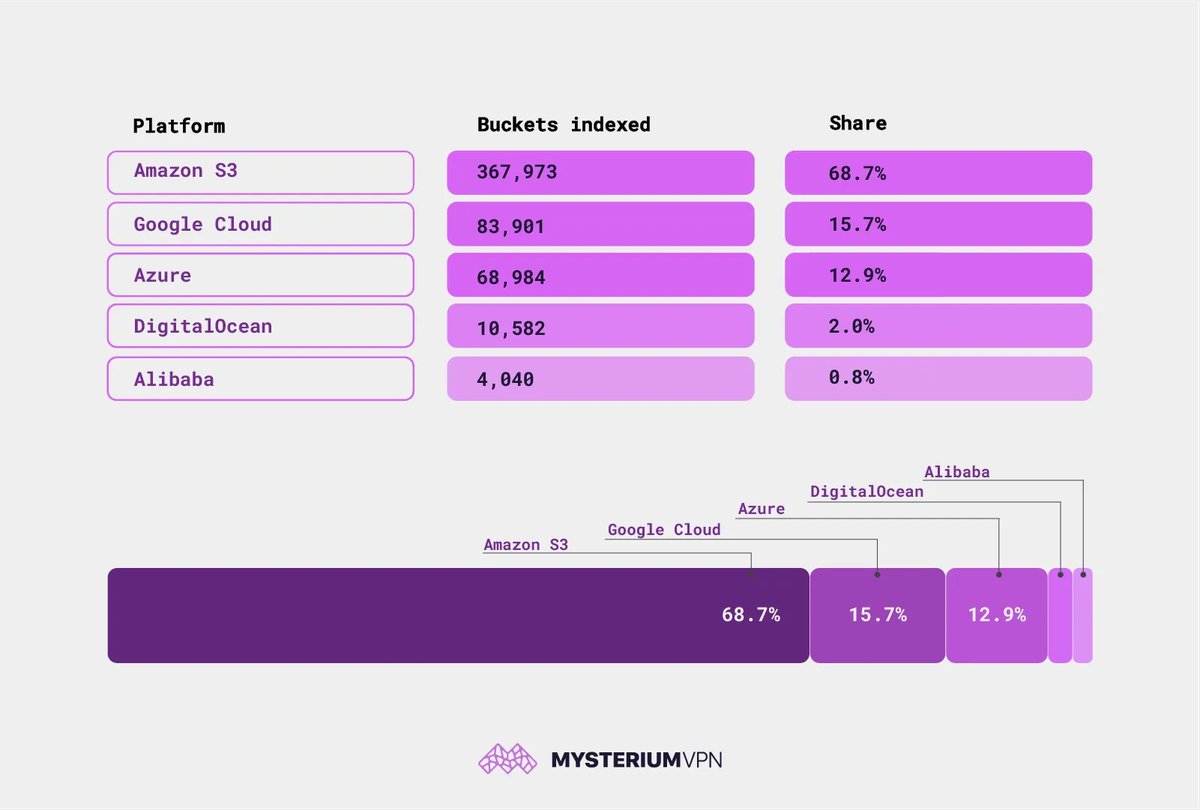
Analysis of public records shows 19.6 billion files left accessible without passwords in misconfigured cloud buckets. The cache includes hundreds of thousands of credential files and nearly one million database dumps.
Why this matters
Exposed files containing credentials and database dumps increase risks of identity theft and account takeovers for users and organizations worldwide.
Quick take
- Money Angle
- Data exposure incidents raise costs for remediation, insurance, and regulatory compliance across affected organizations.
- Market Impact
- Cybersecurity and cloud infrastructure providers may see increased demand while exposed firms face potential valuation pressure.
- Who Benefits
- Security vendors gain from heightened spending on monitoring and encryption services.
- Who Loses
- Organizations with exposed buckets incur direct breach response expenses and potential fines.
- What to Watch Next
- Monitor next major cloud provider security report for updated exposure statistics and remediation rates.
Perspectives on this story
AI-generated analytical lenses meant to encourage you to think across multiple frames. Not attributed to any individual; not presented as fact.
Household Impact
How this affects family budgets, jobs, and day-to-day life.
Individuals face elevated identity theft and account compromise risks when personal data leaks from exposed repositories.
America First View
How this lands for readers prioritizing American sovereignty, borders, and domestic industry.
Widespread data exposure weakens domestic data protection standards and increases reliance on foreign-hosted infrastructure.
Institutional View
How established institutions -- agencies, courts, allied governments -- are likely to frame it.
Regulators would emphasize enforcement of existing data protection statutes and mandatory breach notification rules.
Civil Liberties View
How this reads through the lens of constitutional rights, free speech, and due process.
Large-scale leaks undermine privacy protections by placing personal records into public view without consent.
National Security View
How this matters for defense posture, intelligence, and adversary deterrence.
Exposed credentials create supply chain and critical infrastructure risks when government or contractor systems are involved.
Adversary View
How foreign rivals are likely to frame this story. Not presented as fact and does not reflect the views of AFBytes.
State actors may highlight the incident as evidence of inadequate Western data governance and infrastructure resilience.
AFBytes analysis is AI-assisted and generated from source metadata, article summaries, and topic context. It is intended to help readers think through implications, not replace the original reporting from securityaffairs.co. See our AI and Summary Disclosure for details.