Tehran Streets Normal After US Israel Iran Strikes
AFBytes Brief
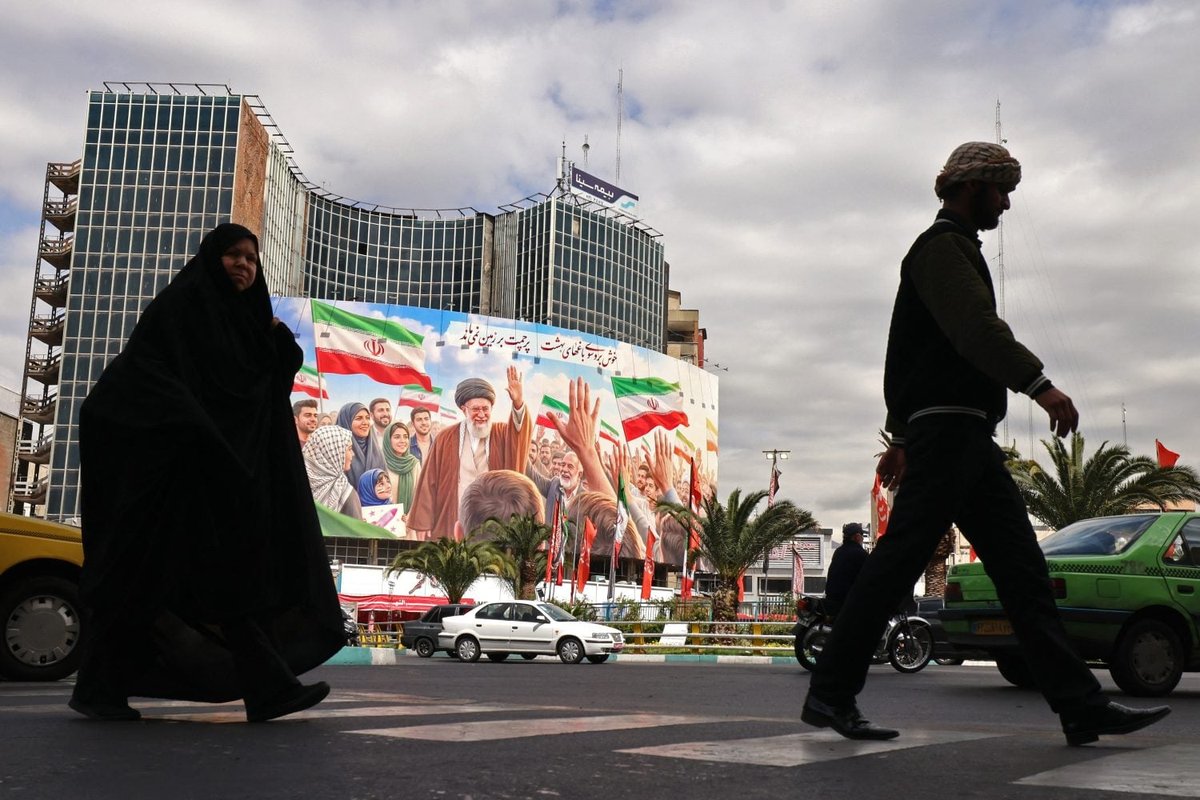
U.S. and Israeli strikes on Iran prompted ordinary Iranians to rally behind their flag temporarily. Streets in Tehran appear surprisingly normal despite tensions. Nationalism surges in response to external aggression.
Why this matters
Escalating Middle East conflicts risk higher U.S. energy bills through oil price volatility. American drivers and industries face potential supply disruptions from regional instability. It influences foreign policy drawing U.S. resources.
Quick take
- Money Angle
- Oil markets could spike if rallies harden into prolonged conflict, raising import costs.
- Market Impact
- Crude oil futures may rise on perceived escalation risks in Iran.
- Who Benefits
- U.S. oil producers gain from higher global prices amid supply fears.
- Who Loses
- Iranian civilians suffer economic strain from unified patriotic response.
- What to Watch Next
- Monitor Iranian state media for signs of sustained public support signaling prolonged tensions.
Three takes on this
AI-generated framings meant to encourage you to think. Not attributed to any individual; not presented as fact.
Everyday American
Will this make day-to-day life better or worse for my family?
Gas prices might climb if conflicts worsen, hitting family budgets at the pump. Neighborhood safety stays unaffected directly. Parents worry less about foreign streets than local costs.
MAGA Republicans
What this likely confirms or alarms in their worldview.
Rallies confirm strikes provoke unity against America, validating strong deterrence needs. It underscores risks of half-measures in dealing with Iran. This supports America First isolation from endless wars.
Democrats
What this likely confirms or alarms in their worldview.
Temporary rallies highlight limits of military action in changing regimes. Normalcy suggests strikes fail to destabilize as hoped. It reinforces multilateral diplomacy over unilateral force.