Visualizing U.S. Household Wealth Distribution
AFBytes Brief
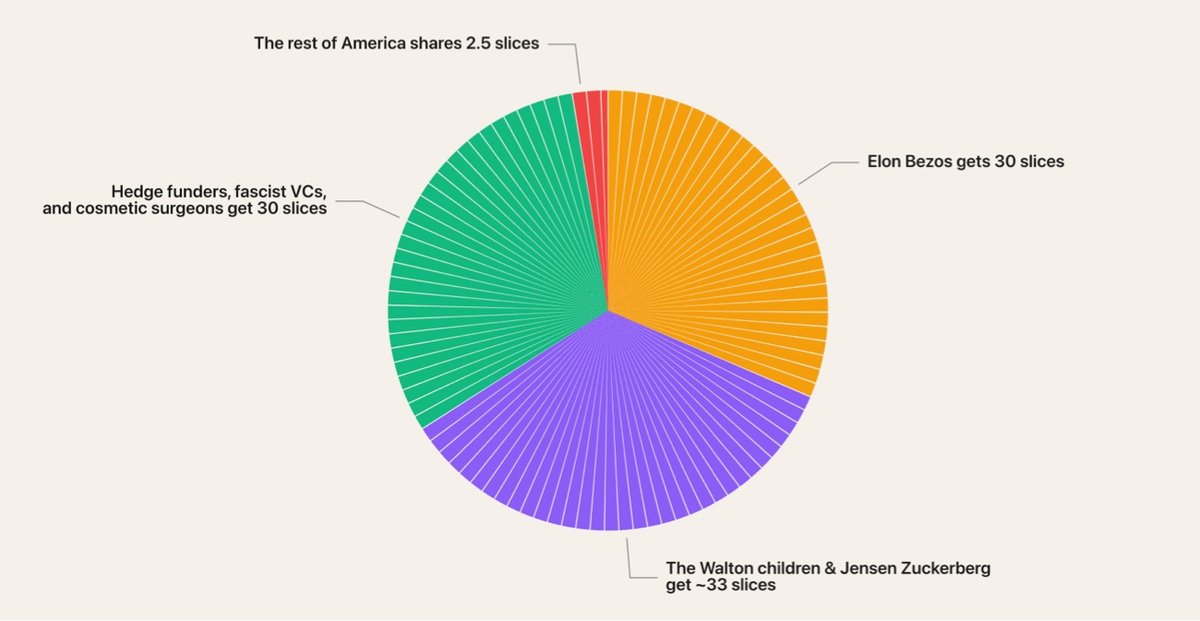
A visualization using Federal Reserve data shows U.S. household wealth divided among 100 representative guests to illustrate concentration patterns since 1989.
Why this matters
Wealth distribution trends influence retirement planning, tax policy, and housing affordability discussions.
Quick take
- Money Angle
- The chart highlights the share of wealth held by top percentiles versus the broader population.
- Market Impact
- No immediate market reaction is expected from a historical data visualization.
Perspectives on this story
AI-generated analytical lenses meant to encourage you to think across multiple frames. Not attributed to any individual; not presented as fact.
Household Impact
How this affects family budgets, jobs, and day-to-day life.
Americans can compare their own net-worth position against long-term national distribution trends.
America First View
How this lands for readers prioritizing American sovereignty, borders, and domestic industry.
The data reflect domestic economic outcomes and savings patterns within the United States.
Institutional View
How established institutions -- agencies, courts, allied governments -- are likely to frame it.
The Federal Reserve publishes the underlying distributional accounts for public transparency and research use.
Civil Liberties View
How this reads through the lens of constitutional rights, free speech, and due process.
No civil-liberties issue is raised by aggregate statistical releases.
National Security View
How this matters for defense posture, intelligence, and adversary deterrence.
No national-security implication arises from household-wealth statistics.
Adversary View
How foreign rivals are likely to frame this story. Not presented as fact and does not reflect the views of AFBytes.
No clear adversary framing applies to this story.
AFBytes analysis is AI-assisted and generated from source metadata, article summaries, and topic context. It is intended to help readers think through implications, not replace the original reporting from kottke.org. See our AI and Summary Disclosure for details.