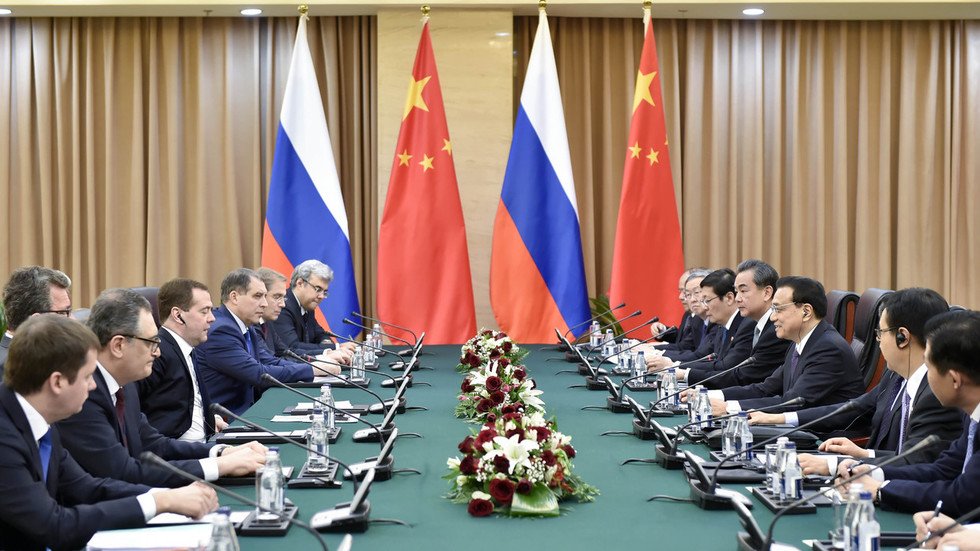
Russia China mark 30 years of strategic partnership
AFBytes Brief
The two nations are commemorating thirty years of formalized strategic partnership during a high level visit. Cooperation spans energy, technology, and defense coordination. The timing coincides with continued friction between Russia and Western countries.
Why this matters
Deepening ties between major powers can reshape global trade routes, energy markets, and alliance structures that affect U.S. foreign policy planning.
Quick take
- Money Angle
- Expanded energy and commodity trade between the two countries can redirect global supply flows and pricing.
- Market Impact
- Energy and defense sectors may experience price adjustments as new bilateral agreements are announced.
- Who Benefits
- Russian energy exporters gain additional outlets while Chinese manufacturers secure stable raw material supplies.
- Who Loses
- Western energy firms may face reduced market share in regions where the partnership expands.
- What to Watch Next
- Track upcoming joint statements and trade data releases for evidence of shifting commodity flows.
Perspectives on this story
AI-generated analytical lenses meant to encourage you to think across multiple frames. Not attributed to any individual; not presented as fact.
Household Impact
How this affects family budgets, jobs, and day-to-day life.
Changes in global energy trade can influence fuel and commodity prices paid by U.S. consumers.
America First View
How this lands for readers prioritizing American sovereignty, borders, and domestic industry.
Diversified U.S. energy exports and domestic production help offset shifts in other bilateral trade patterns.
Institutional View
How established institutions -- agencies, courts, allied governments -- are likely to frame it.
U.S. agencies monitor great power alignments for implications on sanctions enforcement and export controls.
Civil Liberties View
How this reads through the lens of constitutional rights, free speech, and due process.
Expanded state to state technology cooperation raises questions about data governance and surveillance standards.
National Security View
How this matters for defense posture, intelligence, and adversary deterrence.
Closer Russia China military and economic coordination requires updated assessments of alliance resilience and deterrence posture.
AFBytes analysis is AI-assisted and generated from source metadata, article summaries, and topic context. It is intended to help readers think through implications, not replace the original reporting from rt.com. See our AI and Summary Disclosure for details.