Defense bill draft allocates funds for NATO program
AFBytes Brief
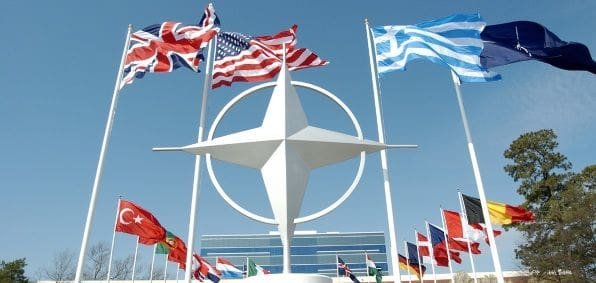
A draft defense bill sets aside $604 million for NATO infrastructure. Critics argue the provision expands spending on foreign projects.
Why this matters
Defense authorization bills determine how taxpayer dollars are allocated across domestic and alliance priorities.
Quick take
- Money Angle
- The allocation directs federal outlays toward alliance facilities rather than purely domestic military accounts.
- Market Impact
- Defense contractors involved in NATO infrastructure projects may see incremental contract opportunities.
- Who Benefits
- NATO member governments receive additional U.S. funding for shared facilities.
- Who Loses
- U.S. taxpayers bear the direct cost of the designated spending line.
- What to Watch Next
- Monitor floor votes and amendments during the defense authorization process for changes to the NATO line item.
Perspectives on this story
AI-generated analytical lenses meant to encourage you to think across multiple frames. Not attributed to any individual; not presented as fact.
Household Impact
How this affects family budgets, jobs, and day-to-day life.
Federal defense spending levels can influence overall budget deficits that affect future tax and interest burdens.
America First View
How this lands for readers prioritizing American sovereignty, borders, and domestic industry.
Allocations for overseas facilities raise questions about prioritizing domestic industry and border security funding.
Institutional View
How established institutions -- agencies, courts, allied governments -- are likely to frame it.
The Armed Services Committees exercise statutory oversight when marking up annual defense legislation.
Civil Liberties View
How this reads through the lens of constitutional rights, free speech, and due process.
No direct civil liberties questions are raised by infrastructure funding provisions.
National Security View
How this matters for defense posture, intelligence, and adversary deterrence.
NATO investment supports alliance infrastructure that can affect U.S. force posture in Europe.
Adversary View
How foreign rivals are likely to frame this story. Not presented as fact and does not reflect the views of AFBytes.
Russian officials are likely to describe the funding as evidence of continued U.S. military expansion in Europe.
AFBytes analysis is AI-assisted and generated from source metadata, article summaries, and topic context. It is intended to help readers think through implications, not replace the original reporting from wnd.com. See our AI and Summary Disclosure for details.